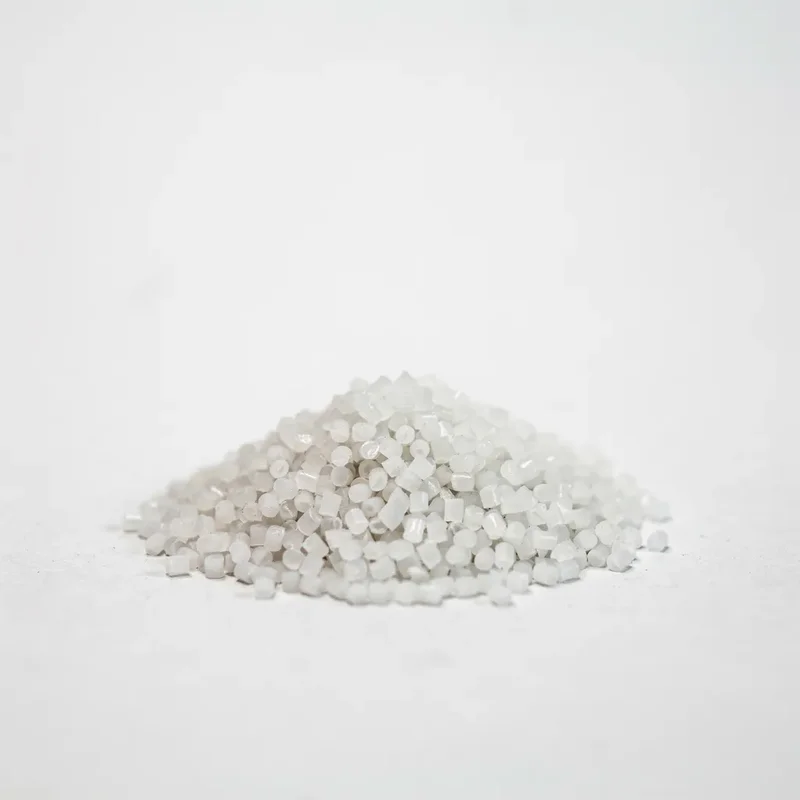
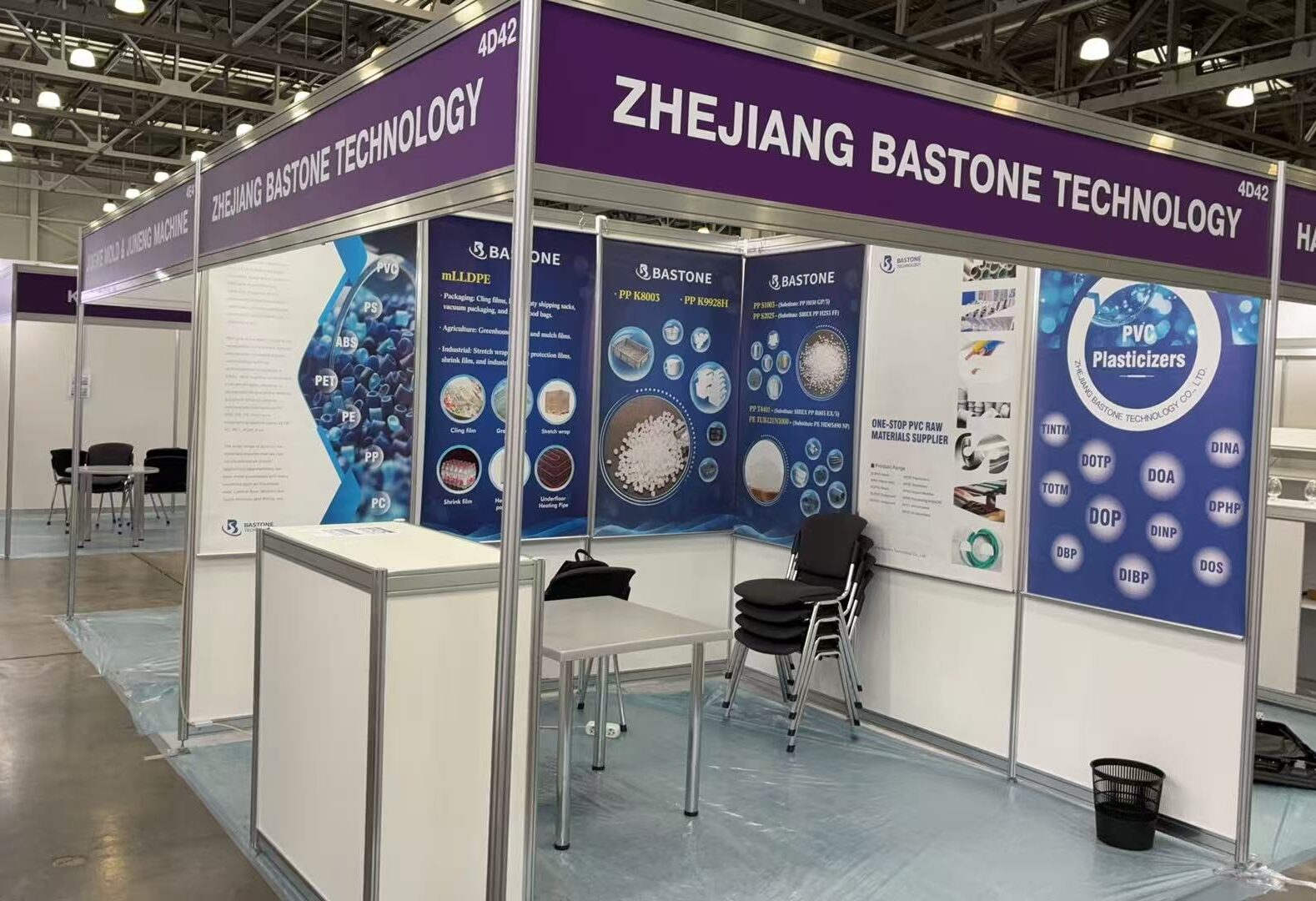
Factory and Activities
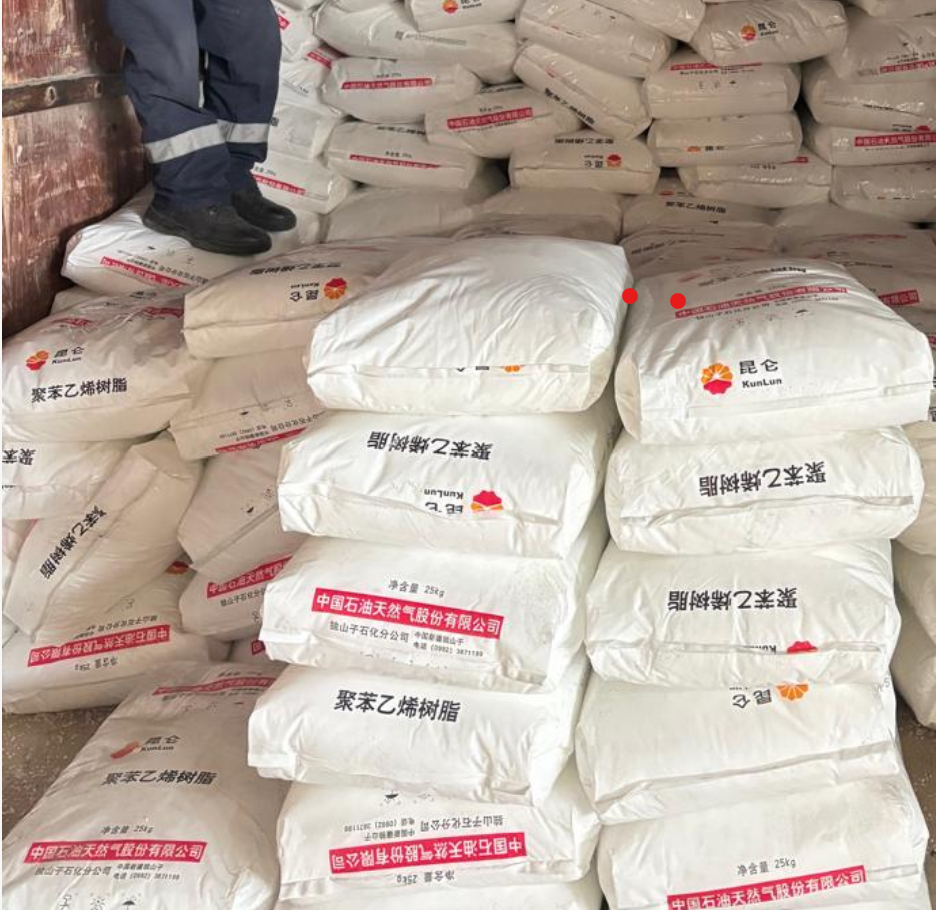



Specifications
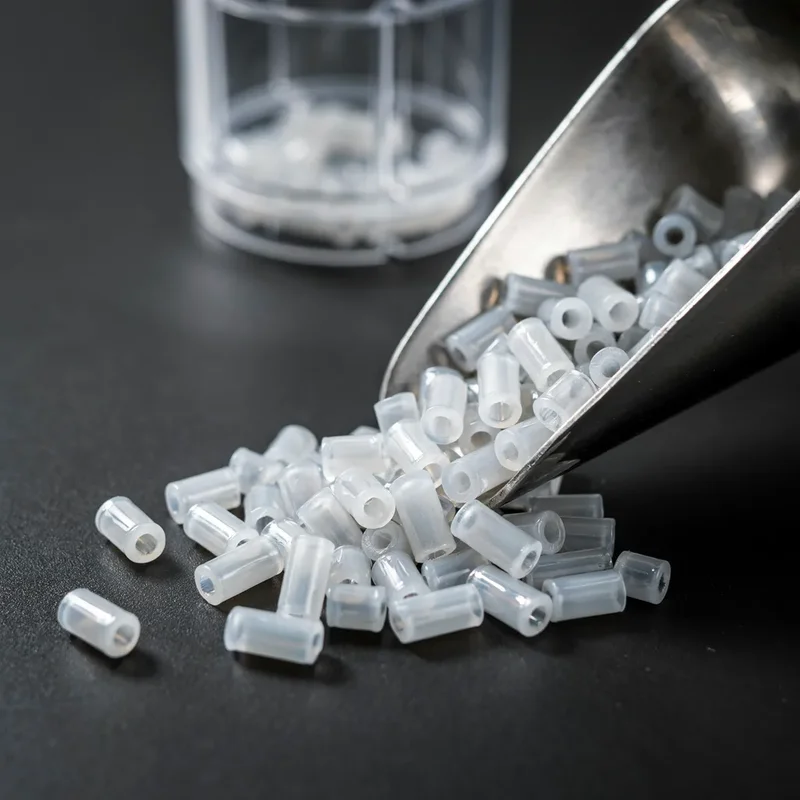
General Information
| Property | Value |
|---|---|
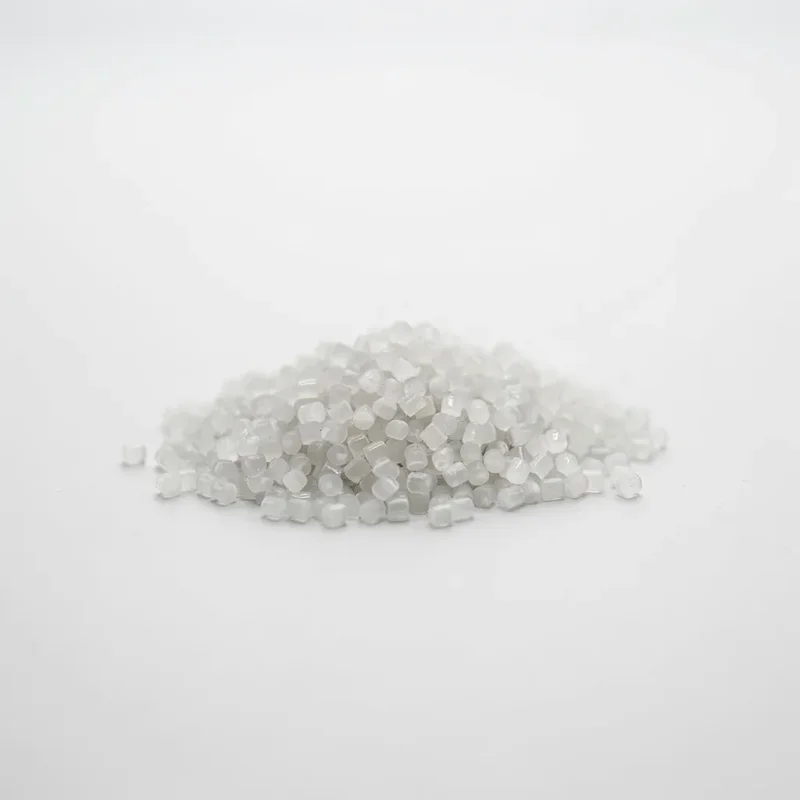
| Product Name | MZT103 Polypropylene Transparency Masterbatch |
| Product Type | Transparency (nucleating/clarifying) masterbatch |
| Carrier Polymer | Polypropylene |
| Manufacturer | Zhejiang Bastone Technology Co., Ltd. |
| Production Facility | Hangzhou Economic Development Zone, China |
| Compliance | FDA, GB |
| Target Polymer | Polypropylene (injection molding, sheet, thermoforming) |
Technical Properties
| Property | Value |
|---|---|
| Function | Improves transparency and surface gloss |
| Mechanical effect | Improves rigidity |
| Thermal effect | Improves heat distortion temperature |
| Cycle effect | Shortens injection molding cycle |
| Certification status | Compliant with FDA and GB certifications |
Recommended Processing Conditions
| Parameter | Recommended Value | Note |
|---|---|---|
| Dosage | 1–3% (or as needed) | Adjust to base resin and part geometry |
| Processing temperature | Above 230 °C | Promotes dispersion of the nucleating agent |
| Cooling time | Shortened as appropriate | MZT103 accelerates curing of parts |
| Holding time | Shortened as appropriate | MZT103 accelerates curing of parts |
Processing above 230 °C is not optional guidance. The nucleating agent must fully dissolve and redistribute in the melt to build the fine crystal network that produces clarity. Molders who run standard PP profiles at 200–220 °C and see incomplete transparency gain are almost always looking at a dispersion problem, not a dosage problem.
Applications
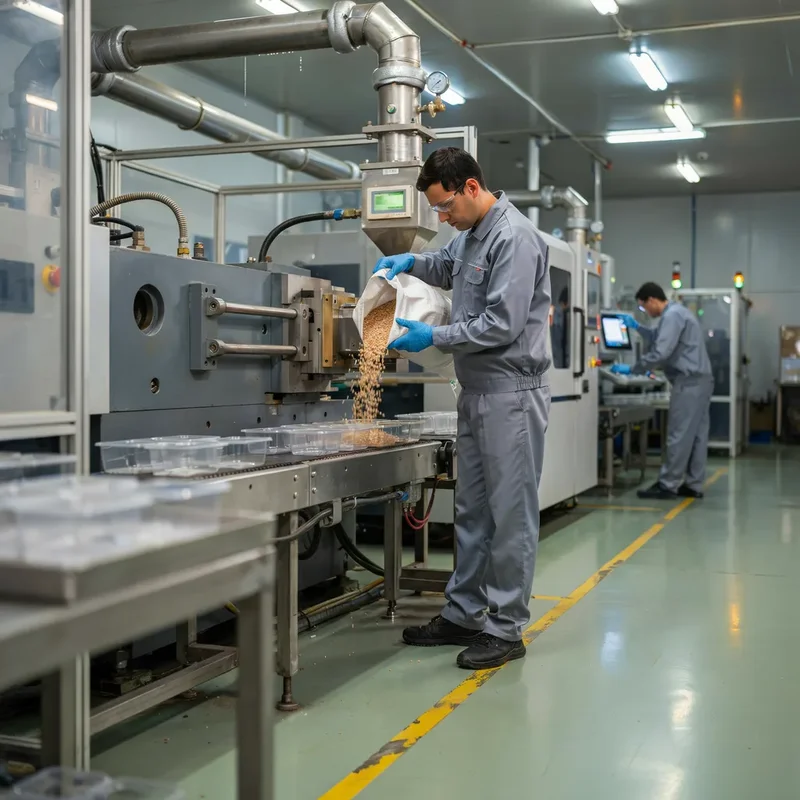
Polypropylene injection molded products are the primary target. Housewares, thin-wall containers, closures, and transparent consumer parts all compete against clarified PP and, in some cases, against more expensive polymers chosen purely for optics. MZT103 lets a molder reach acceptable clarity on standard PP while collecting the cycle-time reduction that comes with faster curing — the economics improve on both the material line and the machine-hour line.
Polypropylene sheets and thermoformed products benefit from the gloss improvement in a different way. Extruded PP sheet destined for thermoforming needs consistent optical quality across the web, and the higher heat distortion temperature helps formed parts hold geometry during hot-fill or in warm storage. Clarity in a thermoformed tray or clamshell is what lets a buyer see the product inside, so the optical gain translates directly into shelf appeal.
Medical and laboratory equipment — specimen containers, pipette components, graduated labware — demands both visual clarity for reading contents and thermal resistance for autoclave or hot-wash cycles. MZT103 addresses both at once, and the FDA and GB compliance keeps the material inside the documentation envelope that medical converters need for their own qualification files.
CD cases remain a demanding optical application: large flat surfaces show every haze and gloss defect. The rigidity improvement matters as much as the clarity here, since thin flat panels need stiffness to resist warping.
Daily-use plastic products — storage boxes, food containers, organizers — are the volume application, where cost governs the decision. MZT103's low addition rate keeps the cost per part modest, and the shortened molding cycle recovers part of the additive cost through higher output on the same machine.
Why Choose BASTONE
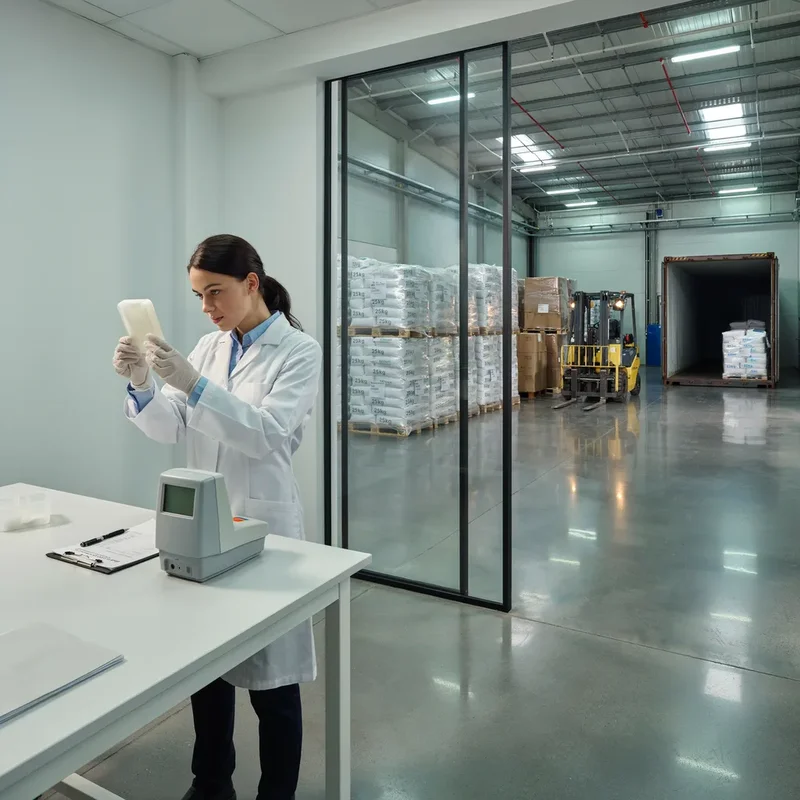
BASTONE manufactures MZT103 in its own Hangzhou facility, which means the specification, the batch record, and the corrective action path all sit inside one organization. When a converter reports a clarity variance or a dispersion issue, the response comes from the chemists who wrote the formulation, not from a trading desk relaying questions to an anonymous compounder. BASTONE's parent group runs 4 production sites and 1 R&D center, so the technical depth behind MZT103 comes from a manufacturing organization, not a catalog.
Buying from the producer removes the layer of markup that sits between a compounding plant and an overseas buyer. BASTONE quotes export pricing directly from the plant, which keeps MZT103 competitive against both imported clarifying masterbatch and domestic Chinese suppliers who buy and resell. For buyers already sourcing petrochemicals through BASTONE Petrochem — a listed SINOPEC distributor — MZT103 consolidates additive and base-resin purchasing under one supplier relationship and one set of shipping documents.
Export runs through Zhejiang Bastone Technology Co., Ltd., BASTONE's trade platform with 10+ years of export experience. Trade terms, packaging configuration, and container loading adapt to the buyer's requirement rather than a fixed template, and the export team handles COA, MSDS, certificate of origin, and food-contact compliance documentation as part of standard shipment preparation.
Sourcing & Logistics
| Item | Detail |
|---|---|
| Supply Origin | Manufactured by BASTONE, Hangzhou Economic Development Zone, China |
| Export Entity | Zhejiang Bastone Technology Co., Ltd. |
| Packaging | Configurable to buyer requirement — confirm at inquiry |
| Documentation | COA, MSDS, FDA and GB compliance certification, certificate of origin, packing list, bill of lading |
| Trade Terms | FOB, CIF, CFR, EXW — flexible per buyer requirement |
| Sample Availability | Samples available for trial molding and dispersion evaluation |
| Technical Support | Direct access to BASTONE formulation chemists for dosage and processing optimization |
Buyers evaluating MZT103 should send the base resin grade and target application when requesting a sample — dosage recommendations within the 1–3% window depend on the resin's own crystallization behavior and the section thickness of the part.