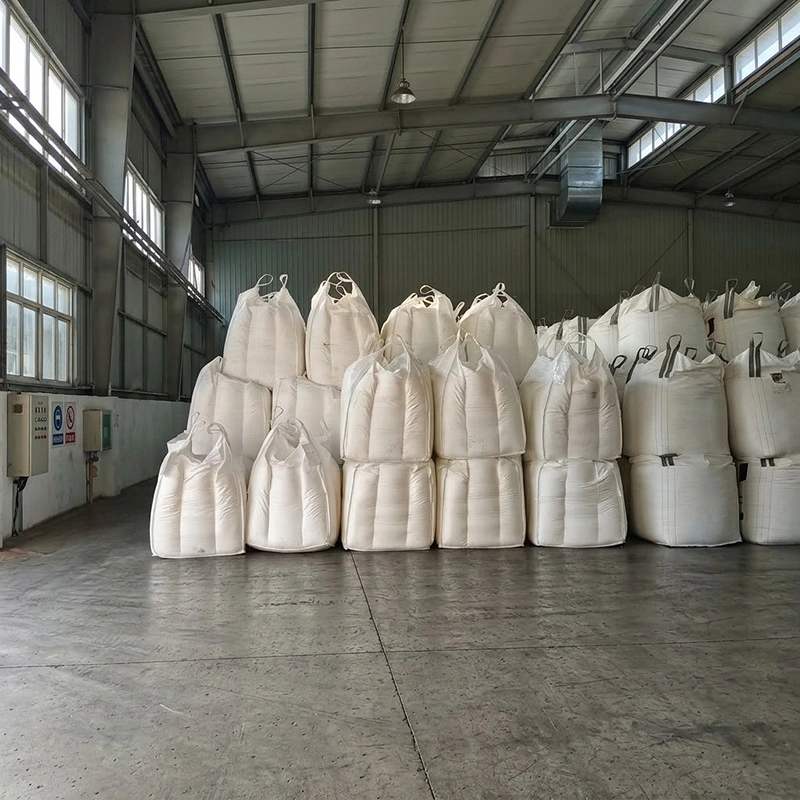
Factory and Activities


Specifications
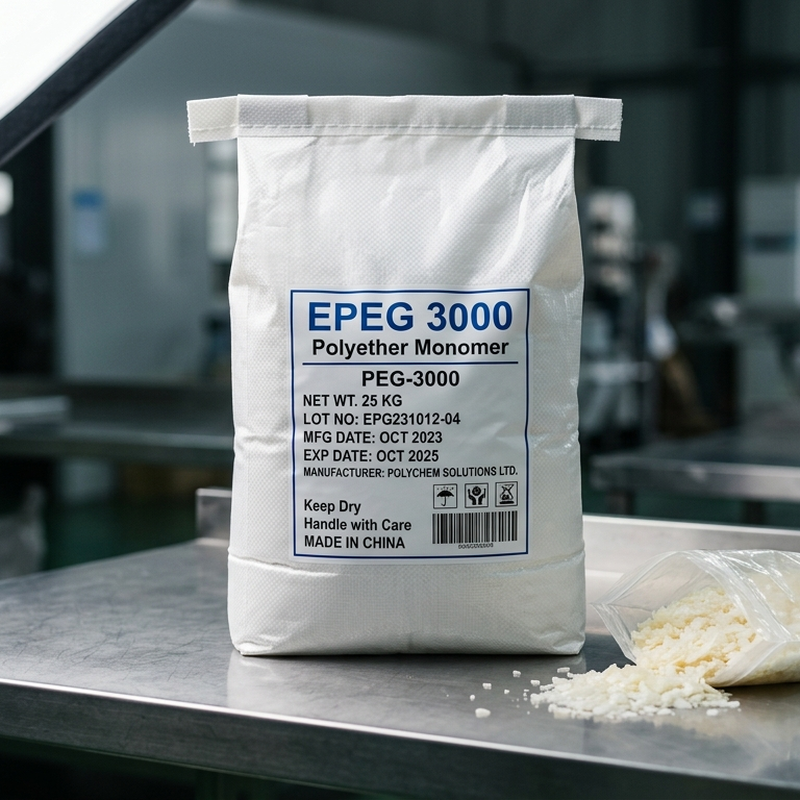
General Information
| Item | Detail |
|---|---|
| Product Name | EPEG 3000 |
| Chemical Name | Diethylene Glycol Monovinyl Ether Polyoxyethylene Ether |
| Polymer Type | Polyoxyethylene Ether — Vinyl Ether Backbone |
| Molecular Structure | CH₂=CH-O-CH₂-CH₂-O-(CH₂-CH₂-O)n-H |
| Target Molecular Weight | 3000 ± 100 g/mol |
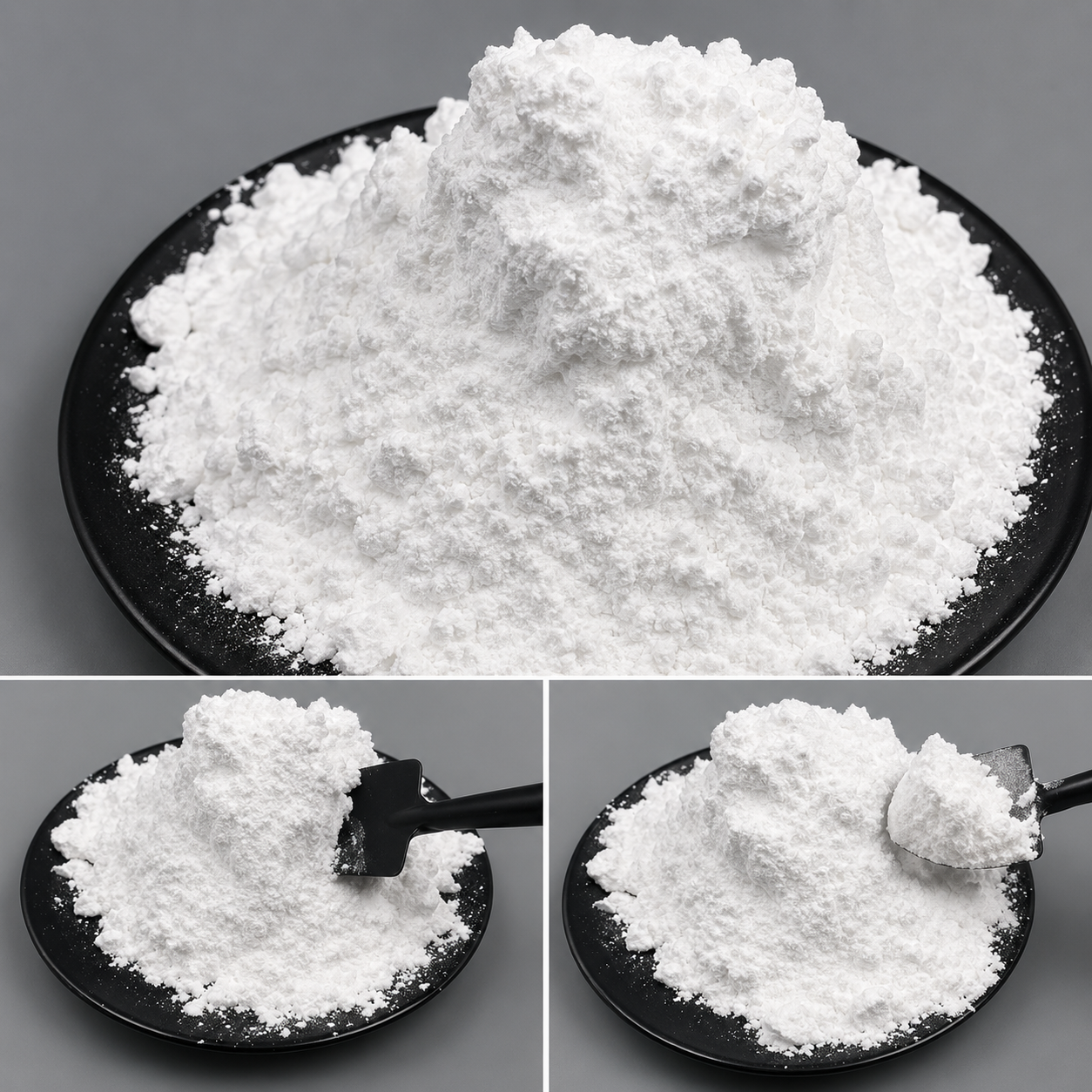
| Appearance | White or light-yellow solid |
| Manufacturer | PetroChina Jilin Petrochemical / Lianyungang Petrochemical |
| Brand | Kunlun / STL |
| Distributor | BASTONE (Zhejiang Bastone Technology Co., Ltd.) |
Technical Properties
| Parameter | Specification | Unit |
|---|---|---|
| Appearance | White or light-yellow solid | — |
| Chroma | ≤20 | Pt-Co |
| Hydroxyl Value | 18.7 ± 1 | mg KOH/g |
| Degree of Unsaturation | ≥0.3133 | % |
| Double Bond Retention | ≥94 | % |
| pH Value | 9.0 – 10.0 | — |
| Target Molecular Weight | 3000 ± 100 | g/mol |
Applications
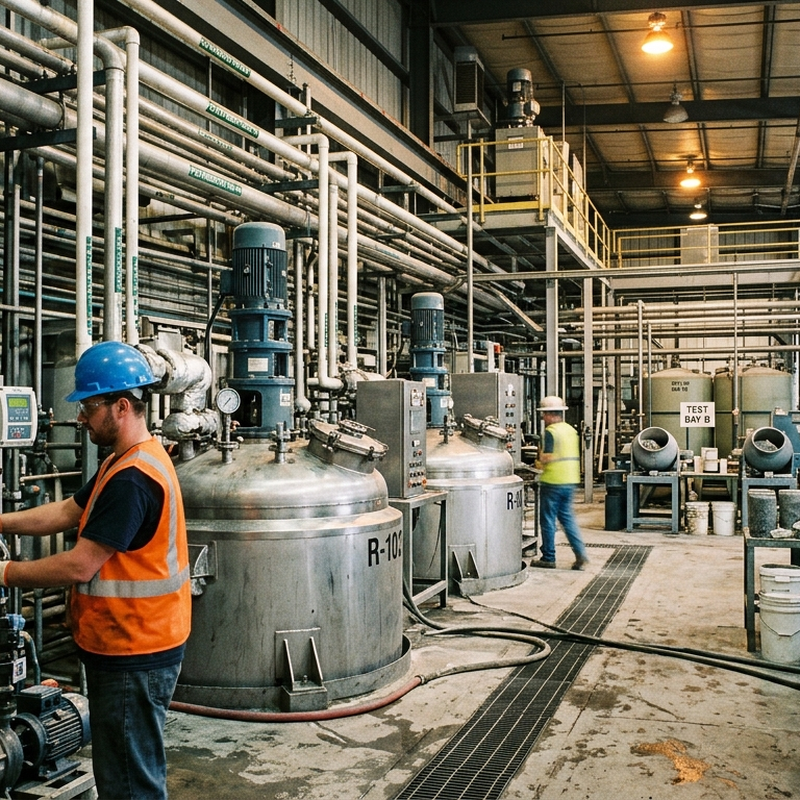
EPEG 3000 addresses two specific performance gaps that standard water-reducing monomers cannot reliably close: extended slump retention over long transport cycles and maintained workability in clay-contaminated aggregate mixes.
In long-distance ready-mix concrete delivery — batching plants supplying urban high-rises, bridges, or large infrastructure pours where truck transit exceeds 60–90 minutes — slump loss is a primary quality risk. PCE admixtures synthesized with EPEG 3000 maintain target slump windows that standard ether-type water reducers cannot sustain, because the vinyl-ether backbone resists hydrolytic degradation during transit. Formulators targeting this application typically combine EPEG 3000 with complementary monomers to balance initial water reduction against retention duration.
High-speed rail construction imposes tight slump specifications across project sites where aggregate sources — and their clay content — vary significantly. Admixture producers supplying rail projects specify EPEG 3000-based PCEs to buffer against aggregate inconsistency without increasing total admixture dosage. The clay-resistance mechanism is a formulation-level hedge against raw material variability at the construction site.
Marine dock and port construction adds a third demand: chemical stability under saline and sulfate exposure. The vinyl-ether linkage in EPEG 3000 maintains structural integrity in aggressive ionic environments, which is why marine concrete engineers increasingly specify clay-resistant PCE grades for submerged and tidal zone applications.
For admixture producers building out a differentiated product line, EPEG 3000 provides a technically distinct monomer platform from HPEG 2400 or TPEG 2400. The ambient-temperature polymerization profile also allows smaller compounding plants to enter slump-retention formulation without capital investment in heated reactor systems.
Why Source Through BASTONE
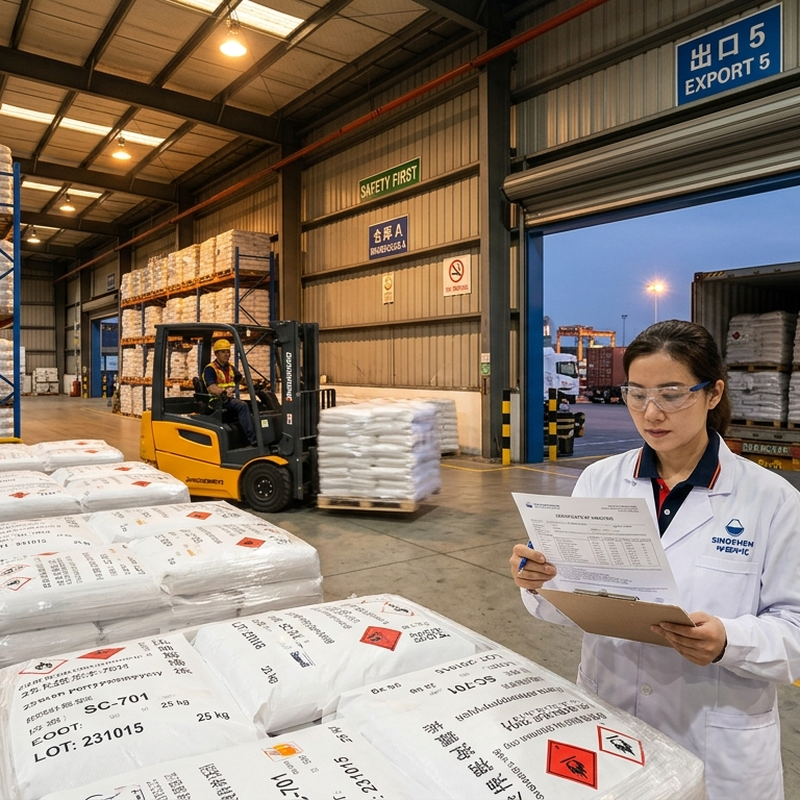
BASTONE holds listed distributor status with major manufacturers like PetroChina and Lianyungang Petrochemical, and operates an active export platform through Zhejiang Bastone Technology Co., Ltd. For buyers sourcing construction chemical raw materials from China, authorized distributor access matters: allocated volumes during supply-constrained periods, not spot-market exposure. BASTONE's position in these robust distribution networks means procurement teams can plan forward contracts with supply continuity that spot traders cannot match.
Every BASTONE-supplied EPEG 3000 shipment carries batch-traceable COA documentation covering the full specification matrix — appearance, chroma, hydroxyl value, degree of unsaturation, double bond retention, and pH. Admixture producers facing downstream quality audits from contractors, transit authorities, or national standards bodies need this documentation chain intact. BASTONE provides it as standard, not on request.
The parent group's background in polycarboxylate monomer manufacturing gives BASTONE's commercial team direct technical depth for application questions — PCE synthesis process parameters, grade selection across the HPEG / EPEG / TPEG portfolio, and formulation compatibility. Buyers do not need to reverse-engineer application guidance from generic datasheets.
Sourcing & Logistics
| Item | Detail |
|---|---|
| Supply Origin | China |
| Export Entity | Zhejiang Bastone Technology Co., Ltd. |
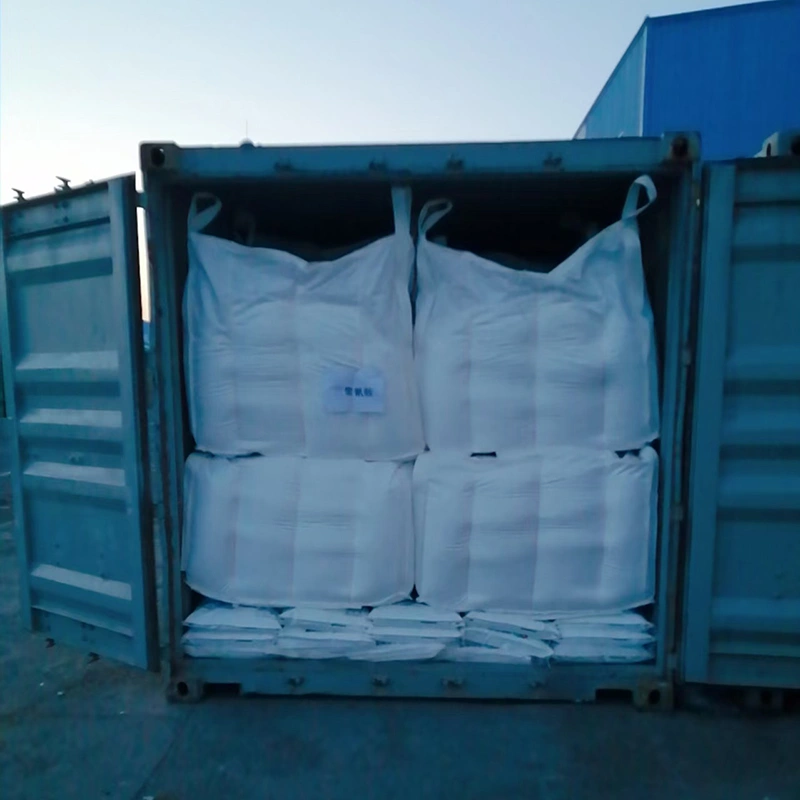
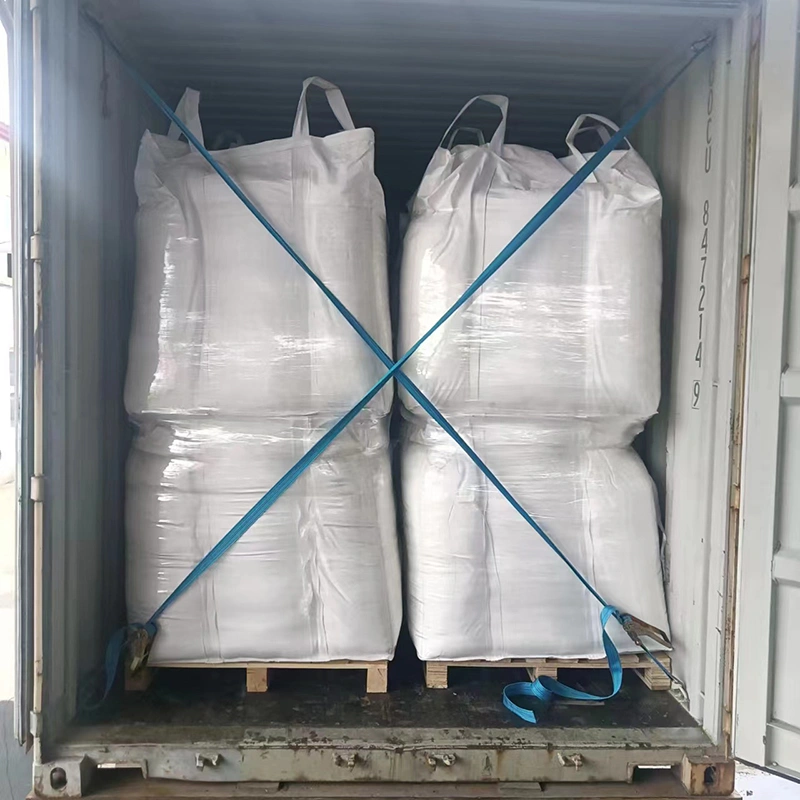
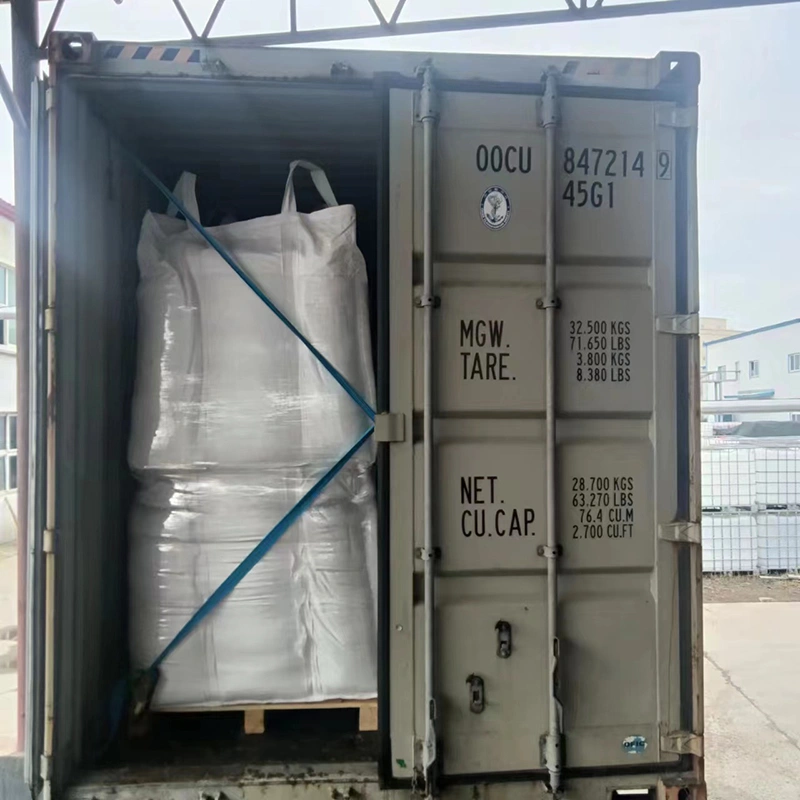
| Typical Packaging | 200 kg drums / 1000 kg IBC totes |
| Export Port | Ningbo / Shanghai |
| Trade Terms | FOB, CIF, CFR (negotiable) |
| Documentation | COA, MSDS, Packing List, Commercial Invoice, Certificate of Origin |
| Sample Availability | Available on request |