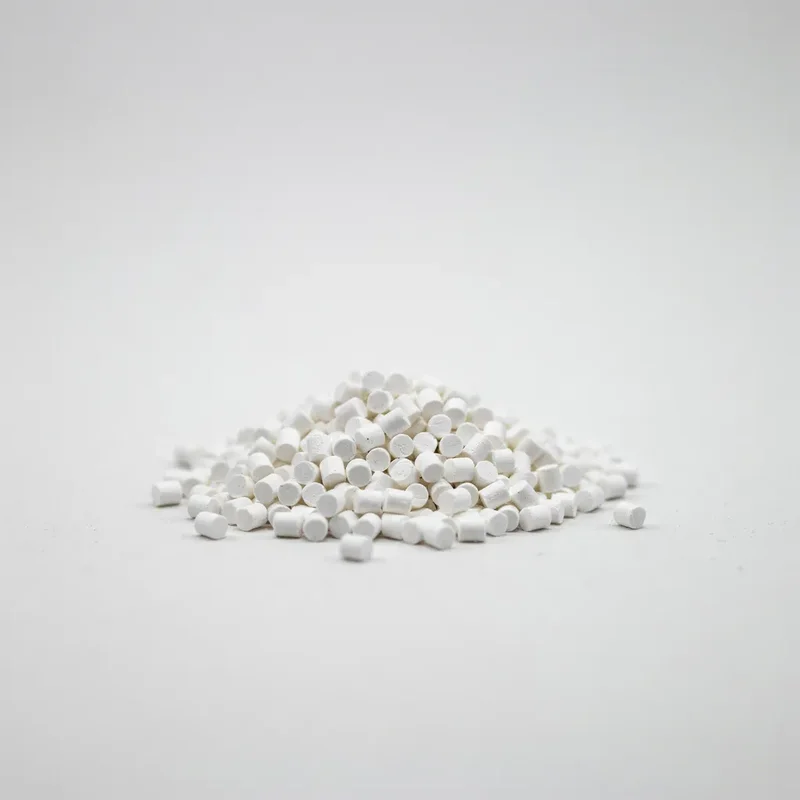
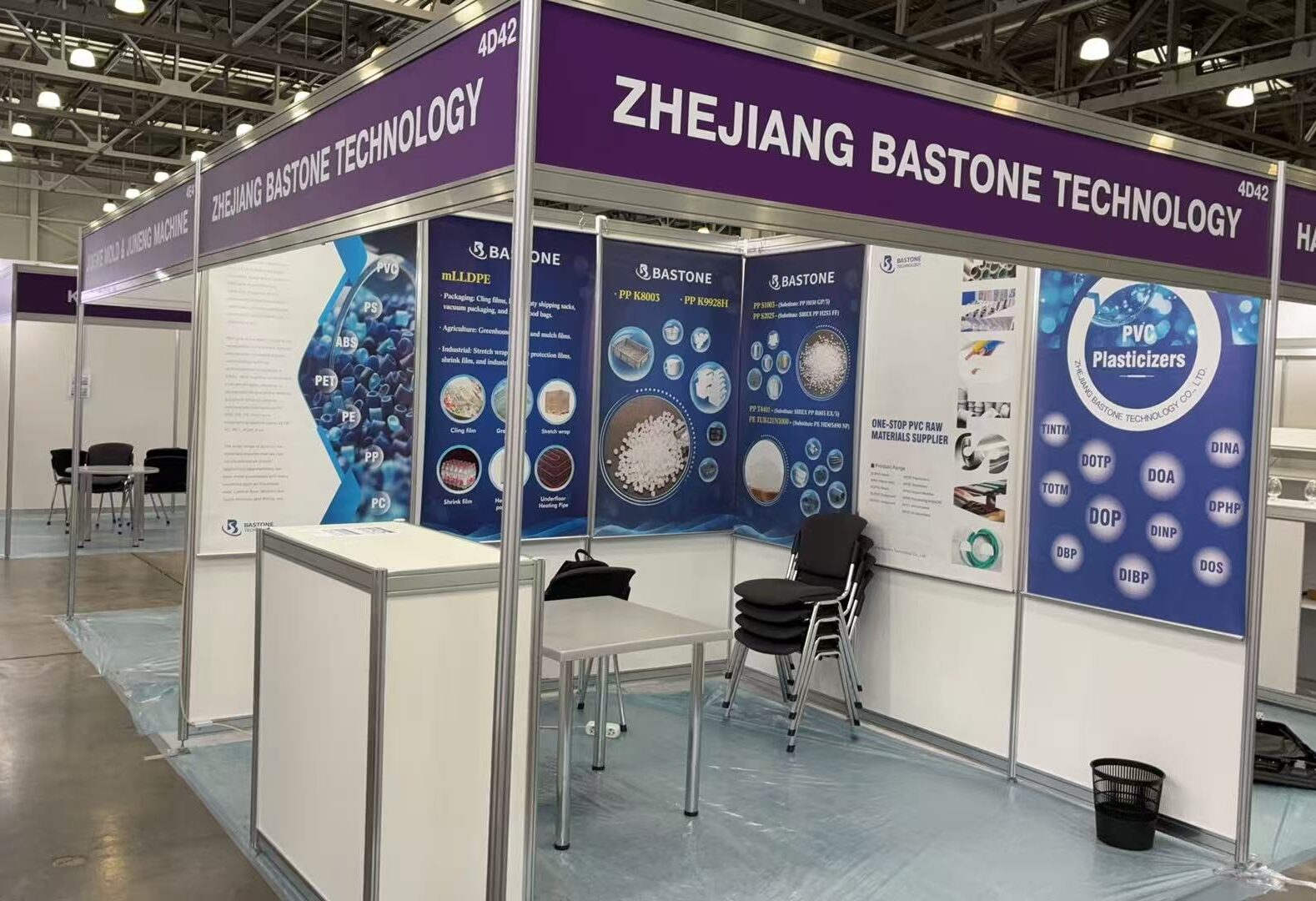
Factory and Activities
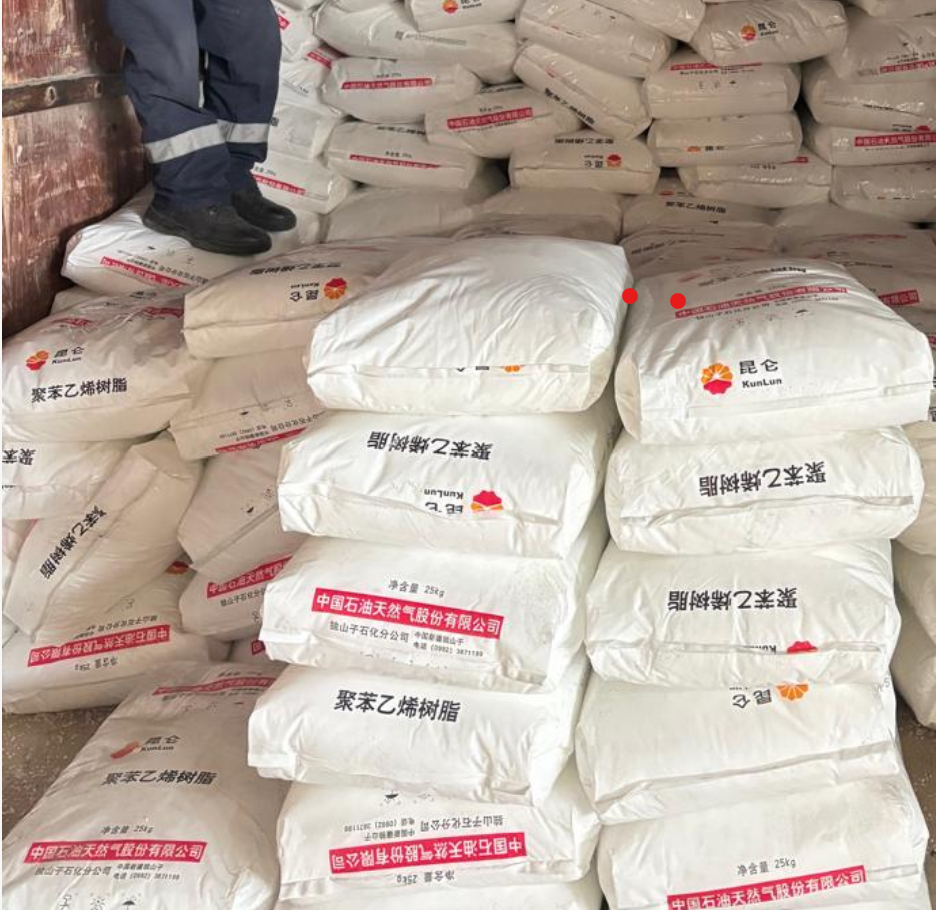



Specifications
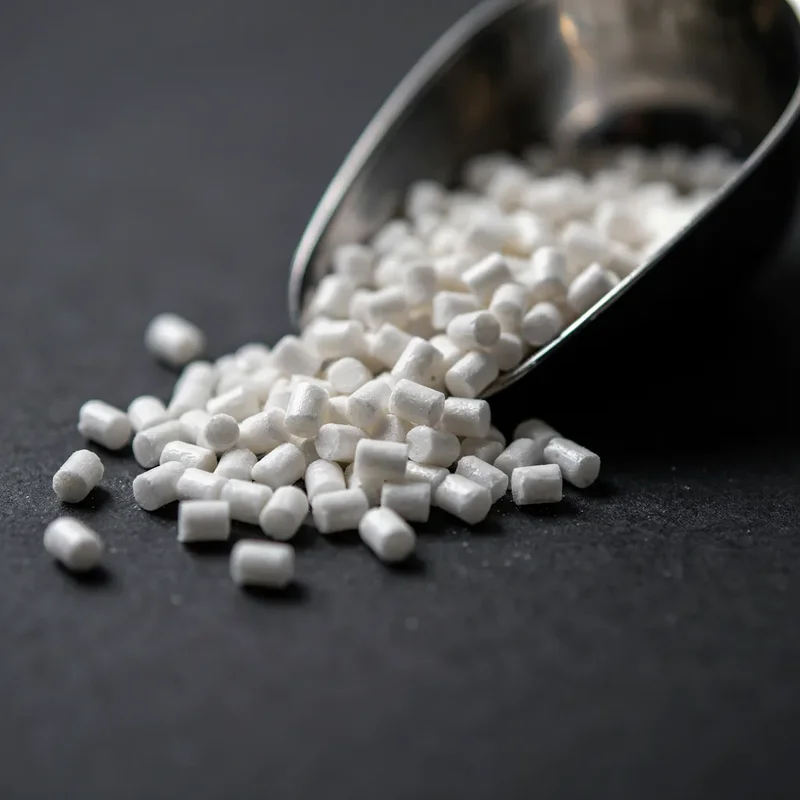
General Information
| Property | Value |
|---|---|
| Product Name | MZG102 |
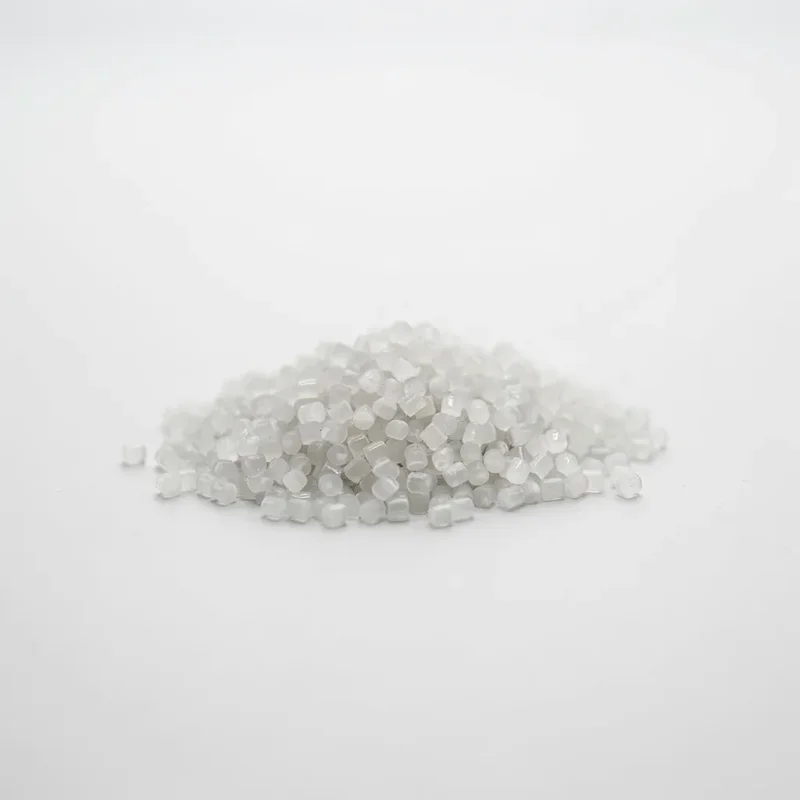
| Product Type | Polypropylene stiffening masterbatch |
| Carrier Polymer | Polypropylene (PP) |
| Manufacturer | Zhejiang Bastone Technology Co., Ltd. |
| Function | Stiffening / nucleating masterbatch |
| Compatible Resins | Polypropylene — extrusion and injection molding grades |
Technical Properties
| Property | Performance vs. unmodified PP | Basis |
|---|---|---|
| Product rigidity | Up to +30% | Physical property comparison, 1% and 2% MZG102 |
| Heat resistance temperature | Increase of nearly 20°C | Physical property comparison, 1% and 2% MZG102 |
| Product gloss (%) | Improved | Physical property comparison, 1% and 2% MZG102 |
| Crystallization rate | Significantly increased PP crystallization temperature | Physical property comparison, 1% and 2% MZG102 |
| Product toughness | No adverse effect | Physical property comparison, 1% and 2% MZG102 |
| Molding cycle | Shortened | Manufacturer performance data |
| Dimensional stability | Improved | Manufacturer performance data |
Recommended Processing Conditions
| Parameter | Value |
|---|---|
| Addition level | 1–2% |
| Processing routes | PP extrusion, PP injection molding |
| Let-down method | Direct addition to PP resin |
Manufacturer datasheet values are quoted for addition rates of 1% and 2% MZG102. BASTONE's technical team confirms the dosing point for a specific PP grade and part geometry on request.
Applications
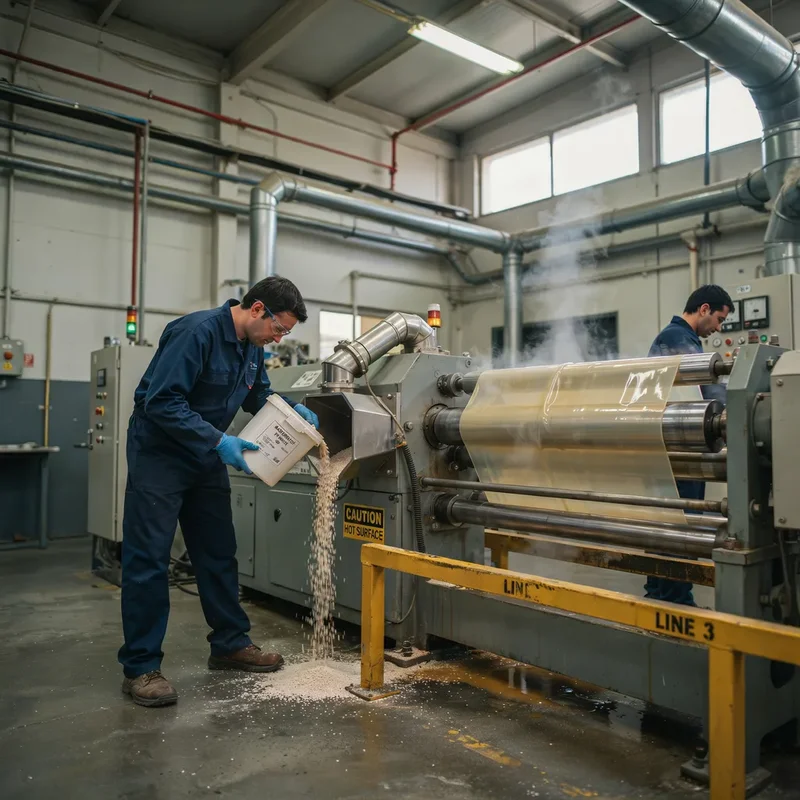
Injection molded PP parts. Thin-wall containers, closures, housewares, crates, and automotive interior components all live or die on the stiffness-to-weight ratio. A 30% rigidity gain gives the part designer room to remove wall thickness without the part flexing in service, and the faster crystallization rate pulls the part out of the mold sooner. For a high-cavitation tool running millions of shots a year, a cycle reduction of even a few percent changes the plant's output math.
Extruded PP sheet and profile. Extruded PP that must hold flatness and edge stiffness — thermoforming sheet, sheet for stationery and packaging, profile — benefits from the same modulus increase, applied to gauge reduction rather than wall reduction. Improved dimensional stability matters here because extruded PP is prone to post-extrusion warp and shrinkage as crystallization continues off-line; faster and more uniform crystallization tightens dimensional control.
Heat-exposed PP components. The near-20°C rise in heat resistance temperature is the property that opens applications previously closed to standard PP. Parts that soften or distort in hot-fill packaging, dishwasher-cycle housewares, or under-hood and interior automotive heat loads can stay in PP rather than moving to a more expensive engineering resin. Switching resin families to chase heat performance costs far more than dosing a masterbatch at 1–2%.
Gloss-sensitive surfaces. Consumer-facing PP parts are judged on surface appearance before anything else. MZG102 improves product gloss as a byproduct of finer crystalline structure, so molders get a better surface without adding a gloss additive or reworking the mold polish.
Downgauging programs. Where the buyer's goal is lightweighting rather than performance, MZG102 functions as a cost-reduction tool. Rigidity headroom converts into removed resin, and the masterbatch is dosed low enough that the saved resin outweighs the additive cost — the "low cost and high efficiency" position BASTONE states on the product datasheet.
Why Choose BASTONE
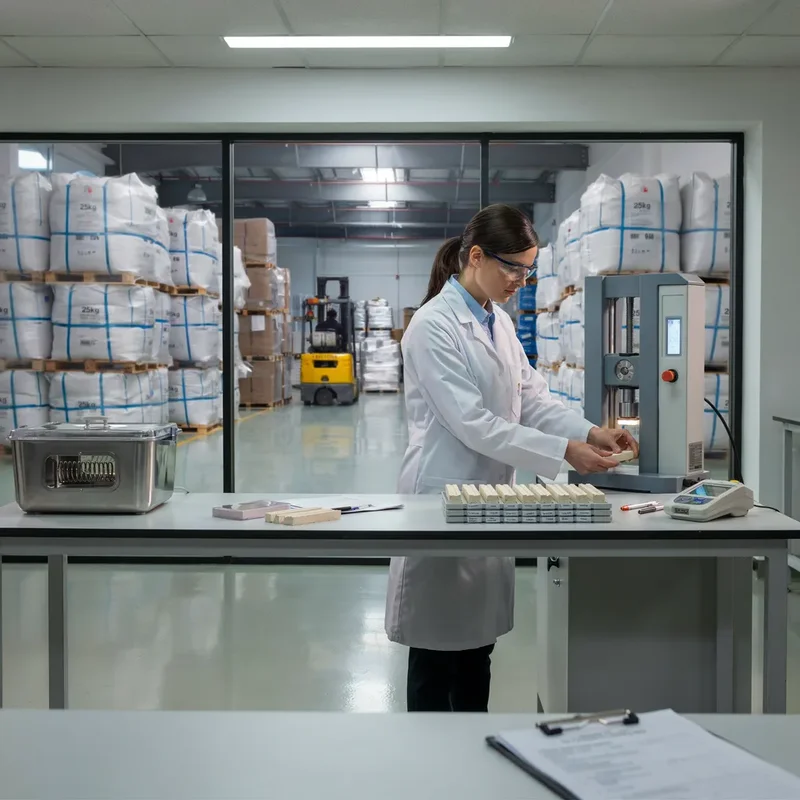
BASTONE manufactures MZG102 — the product is not a rebranded import. Zhejiang Bastone Technology Co., Ltd. produces the masterbatch at BASTONE's Hangzhou Economic Development Zone facility, one of the group's 4 production sites, under BASTONE's own quality control. Buyers deal with the party that owns the formulation, controls the batch record, and can answer a technical question about the active system without routing it through a supplier.
BASTONE's group structure is R&D-oriented, with a dedicated R&D center behind the manufacturing operation. MZG102 is a proprietary BASTONE formulation, which means the technical team can evaluate a customer's specific PP grade, run comparison trials, and adjust dosing or formulation where a standard product would simply fail to fit. For formulators and production engineers working through a stiffness or cycle-time problem, having direct access to the people who developed the masterbatch shortens the qualification loop considerably.
Buying direct from the manufacturer removes the trading-house markup layer from the landed cost. BASTONE exports through Zhejiang Bastone Technology Co., Ltd., a platform built on more than 10 years of export experience across organic chemicals, polymers, fuel additives, and drilling chemicals. Trade terms, packaging configuration, and shipping arrangements flex to what the buyer's operation requires, and BASTONE's documentation practice — the same practice that supports its listed SINOPEC distributor business — carries over to its own manufactured products.
Sourcing & Logistics
| Item | Detail |
|---|---|
| Supply Origin | Manufactured by BASTONE, Hangzhou Economic Development Zone, China |
| Manufacturer | Zhejiang Bastone Technology Co., Ltd. |
| Export Entity | Zhejiang Bastone Technology Co., Ltd. |
| Packaging | Configured to order — confirm bag size and palletization at quotation |
| Documentation | COA per production batch, MSDS, commercial invoice, packing list, certificate of origin |
| Trade Terms | FOB, CIF, and other Incoterms available; port of loading confirmed at order |
| Sample Availability | Trial quantities available for line trials and PP grade compatibility testing |
| Technical Support | Dosing recommendations and comparison trial support from BASTONE's R&D center |
Contact BASTONE Petrochem for MZG102 pricing, current lead time, and a trial sample matched to your PP grade and process route.