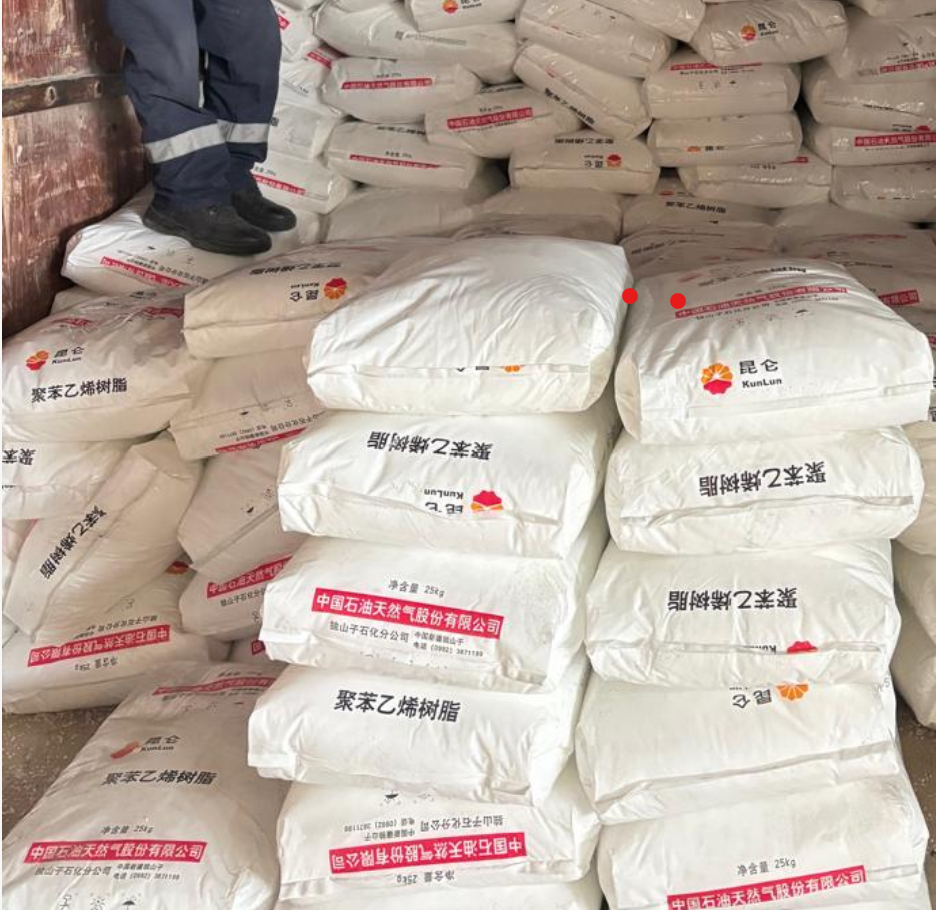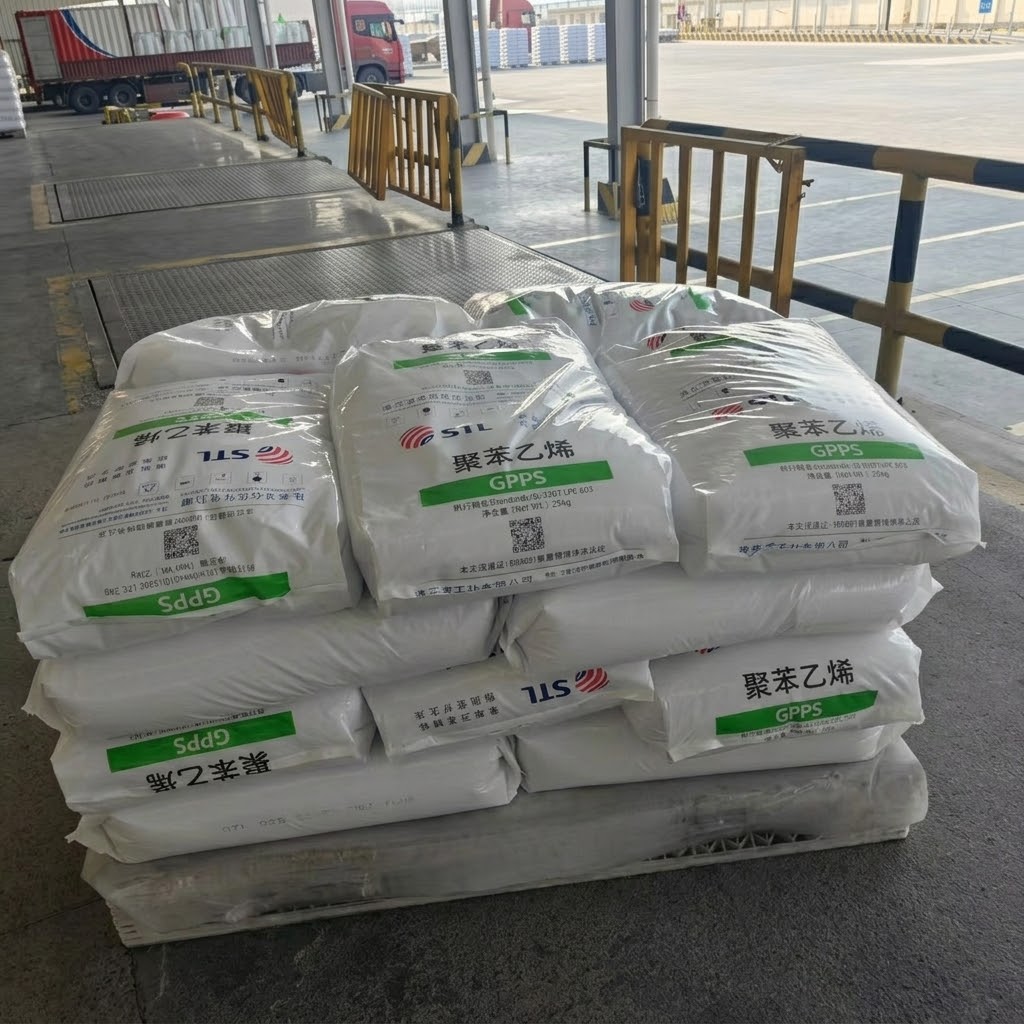
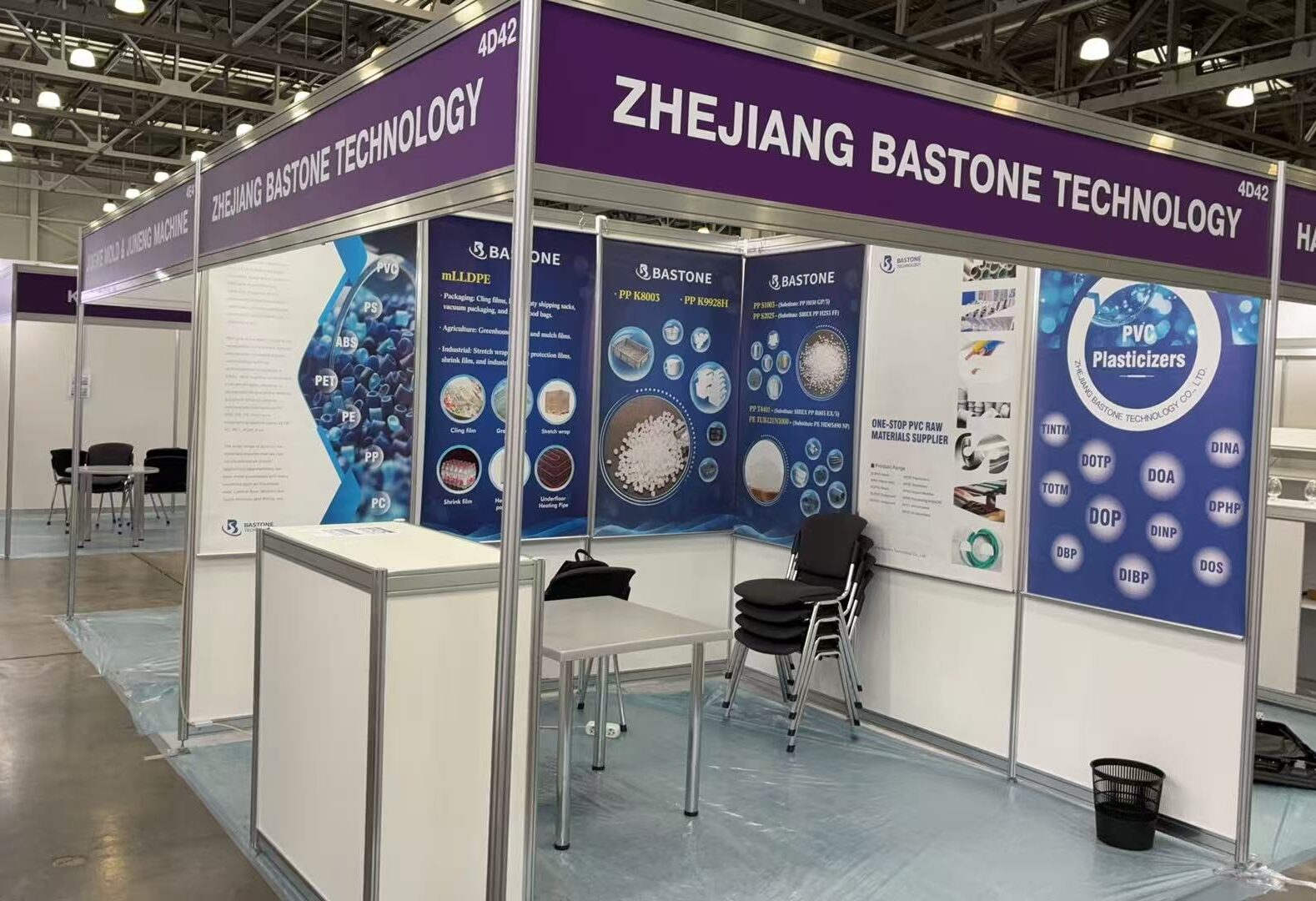
Factory and Activities



Specifications
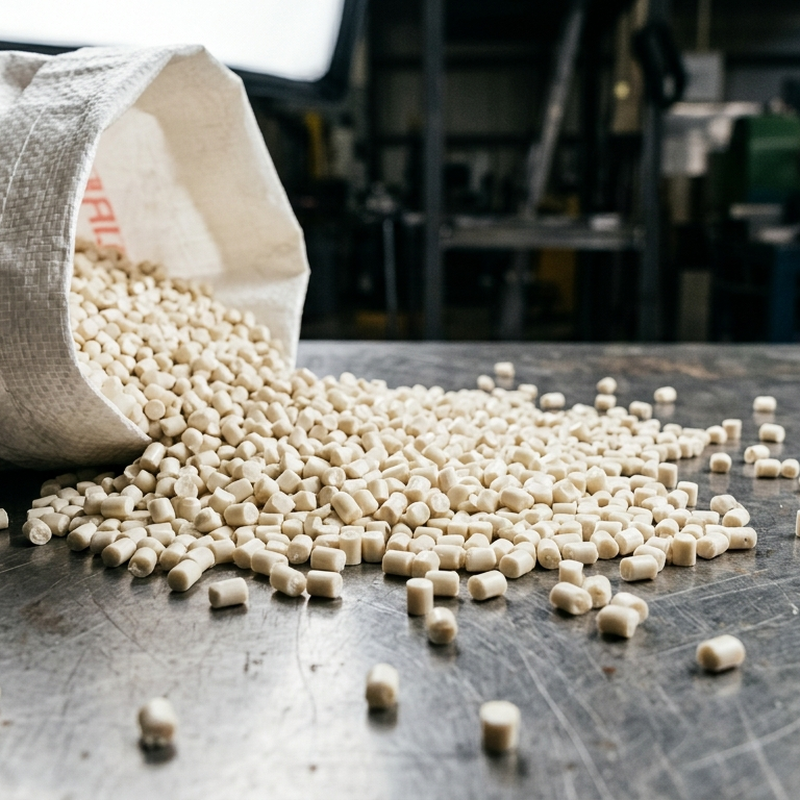
General Information
| Property | Detail |
|---|---|
| Product Name | Polystyrene Resin HIEM |
| Polymer Type | High Impact Polystyrene (HIPS) |
| Manufacturer | Dushanzi Petrochemical Company (PetroChina) |
| Production Process | Bulk Continuous Polymerization |
| Plant Capacity | 130,000 tonnes/year |
| Execution Standard | Provisional Indicators |
| Form | Granules |
Technical Properties
| Property | Unit | Specification | Test Method |
|---|---|---|---|
| Coloring | pcs/kg | ≤10 | SH/T 1541-2006 |
| MFR (5.00 kg load) | g/10min | 3.9–5.7 | ISO 1133:2005 |
| Tensile Strength | MPa | Reported as measured | ISO 527:1993 |
| Vicat Softening Point | °C | ≥80 | ISO 306:2004 |
| Charpy Impact Strength | kJ/m² | ≥7.0 | ISO 179:2000 |
| Yellow Index (Z-Y) | — | 10–19 | ASTM E-308-1 |
| Residual Styrene Monomer | 10⁻⁶ (wt) | ≤600 | ISO 2561:2006 |
*Tensile strength is reported as a batch-measured value on COA rather than a fixed minimum limit under the provisional specification.
Applications
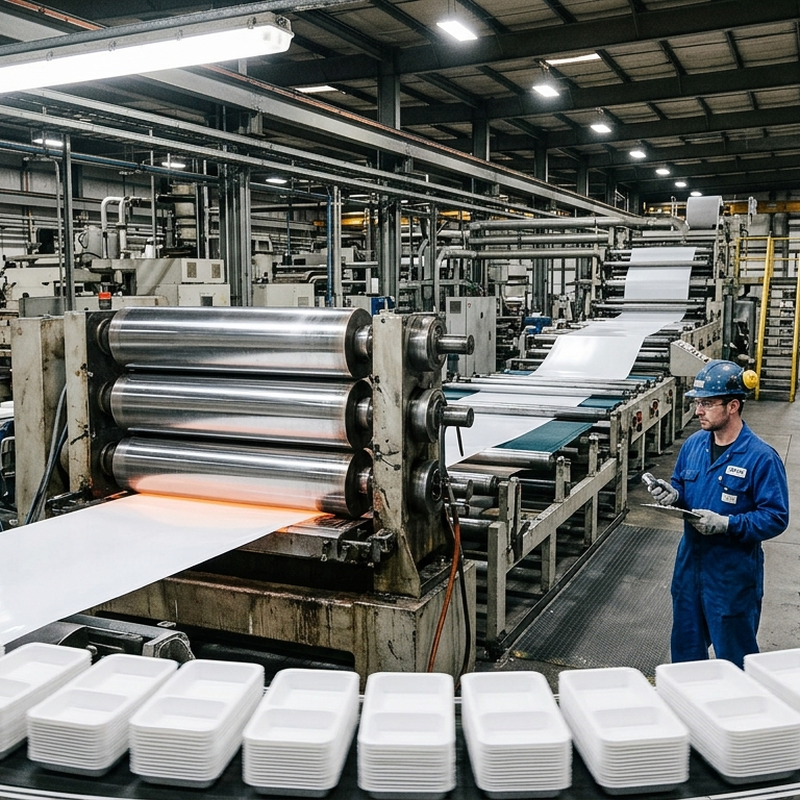
HIEM's MFR range, impact resistance, and surface finish characteristics make it a practical material across several high-volume manufacturing sectors.
Food and beverage packaging is the primary downstream use. Yogurt cups, cold-drink cup lids, fast-food containers, jelly cups, and confectionery trays are all routinely thermoformed from HIPS grades in this MFR window. The material's processability in vacuum-forming and pressure-forming processes, combined with a residual styrene monomer limit of ≤600 ppm, supports food-contact packaging applications — buyers targeting food-contact compliance should verify current regulatory requirements for their specific markets and application formats.
Hard packaging and blister trays for electronics components, consumer goods, and medical devices depend on impact resistance to survive transit and retail handling. HIEM's Charpy impact strength of ≥7.0 kJ/m² provides the toughness margin needed for clamshell and blister formats without requiring the higher cost of engineering thermoplastics. The material thermoforms cleanly, holds sharp detail in formed cavities, and accepts print and labeling without pretreatment.
Medical packaging represents a consistent market for HIPS in both domestic Chinese production and export supply chains. Pill blister backing sheets, sample trays, and sterile secondary packaging enclosures are manufactured from HIPS grades in the same performance range as HIEM. BASTONE can provide grade-specific documentation supporting pharmaceutical procurement qualification processes.
Refrigerator components and household appliances round out the application profile. Interior liner panels, vegetable crisper drawers, and compartment dividers are injection-molded from HIPS because the material offers dimensional stability at refrigeration temperatures, accepts colorants evenly, and assembles cleanly with standard snap-fit fastening systems. Small appliance housings — fan guards, blender bodies, rice cooker shells — share the same requirements: moderate rigidity, color consistency, and easy moldability.
Toys, stationery, and consumer goods round out HIEM's end-use reach. Injection-molded plastic toys, building block components, file folder shells, pen holders, and desk organizers all depend on HIPS for its printability, coating adhesion, and low per-unit material cost. The coloring specification of ≤10 pcs/kg keeps surface quality at levels acceptable for consumer-facing goods with direct visual inspection.
Why Source Through BASTONE
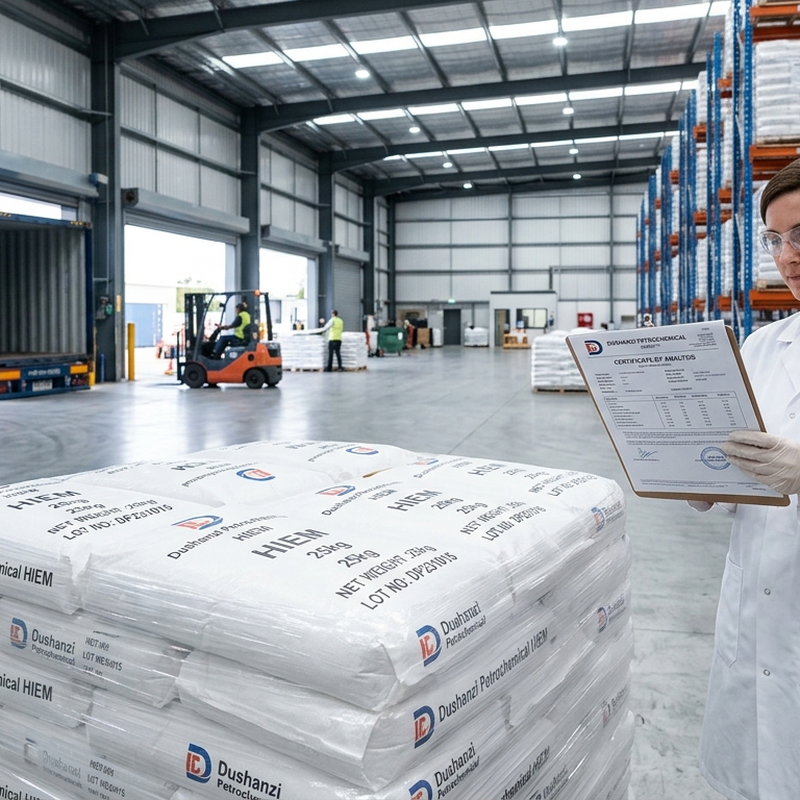
BASTONE Petrochem operates with established distribution relationships with PetroChina-affiliated production sites, including Dushanzi Petrochemical. Orders reference actual production allocations rather than spot-market availability, which gives buyers supply continuity across quarterly purchase cycles — not just single shipments. For procurement managers building long-term material plans, the difference between an allocated distributor and a spot trader becomes visible the first time market supply tightens.
Every HIEM shipment comes with a COA traceable to the specific Dushanzi production batch. Incoming quality teams can match the supplied test results against Dushanzi's internal QC records. BASTONE's documentation package includes mill certificates, packing lists, and test reports formatted to international standards — the paperwork set that manufacturing quality systems typically require at goods receipt.
BASTONE's parent group runs 4 production sites and 1 R&D center, which gives the business technical depth that a pure trading house cannot match. When buyers need to compare HIEM against other HIPS grades in the portfolio — whether evaluating MFR differences, impact specifications, or application fit — BASTONE's technical team can support that selection process directly, without routing questions through a third party.
Sourcing & Logistics
| Parameter | Detail |
|---|---|
| Supply Origin | Dushanzi Petrochemical Company, Xinjiang, China (PetroChina) |
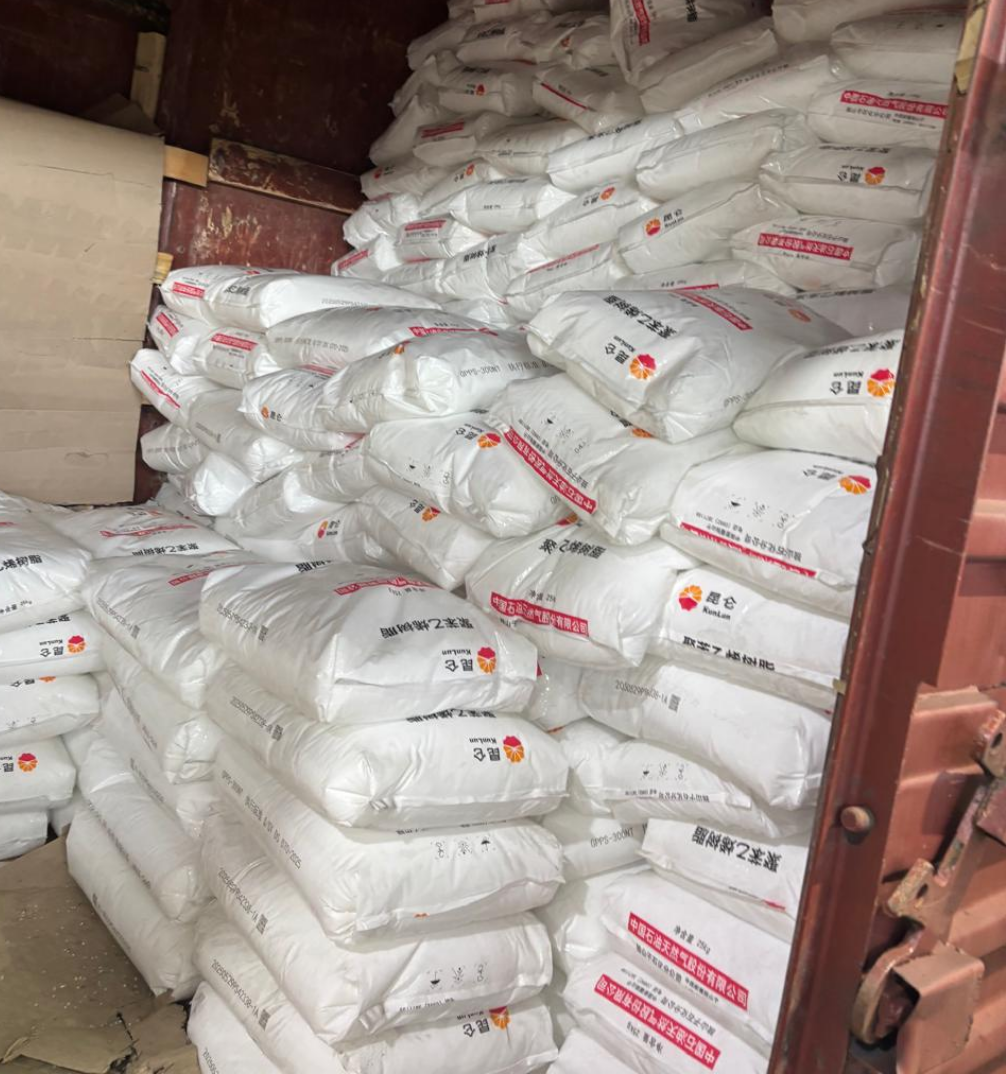
| Packaging | 25 kg bags; bulk options available on inquiry |
| Export Entity | Zhejiang Bastone Technology Co., Ltd |
| Documentation | COA, packing list, commercial invoice, bill of lading, certificate of origin |
| Trade Terms | FOB, CIF, CFR — flexible to buyer requirement |
| Sample Availability | Available upon request |