Fábrica y Actividades



Especificaciones
Información General
| Ítem | Detalle |
|---|---|
| Product name | Diethylene Glycol (DEG) |
| Chemical family | Glycol / aliphatic diol |
| CAS number | 111-46-6 |
| Fabricante | SINOPEC and other top-3 Chinese petrochemical producers |
| Production process | Ethylene oxide hydration, glycol fractionation by vacuum distillation |
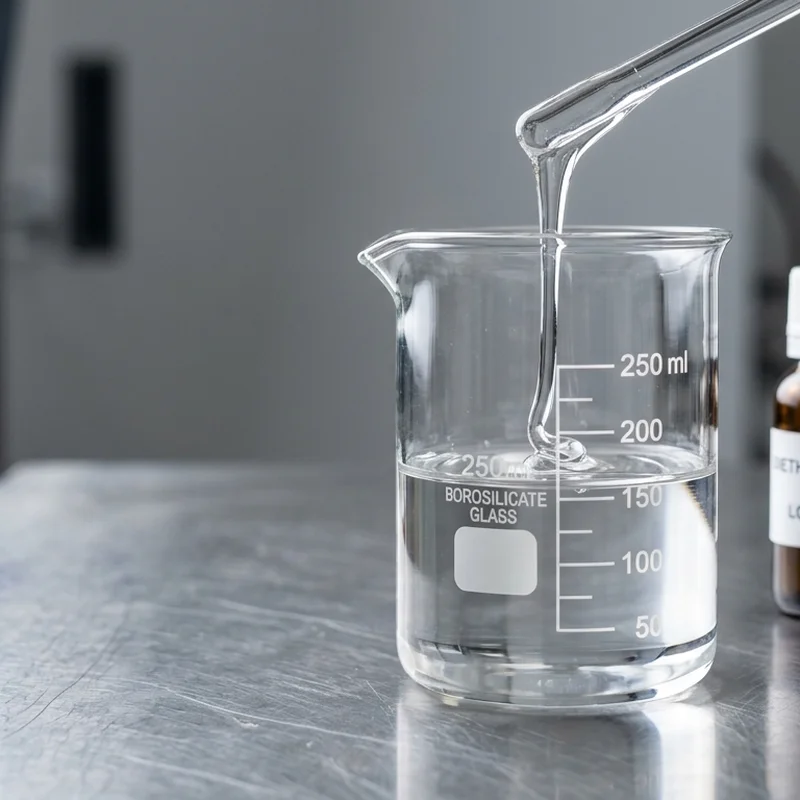
| Apariencia | Clear liquid, ≤15 Pt-Co |
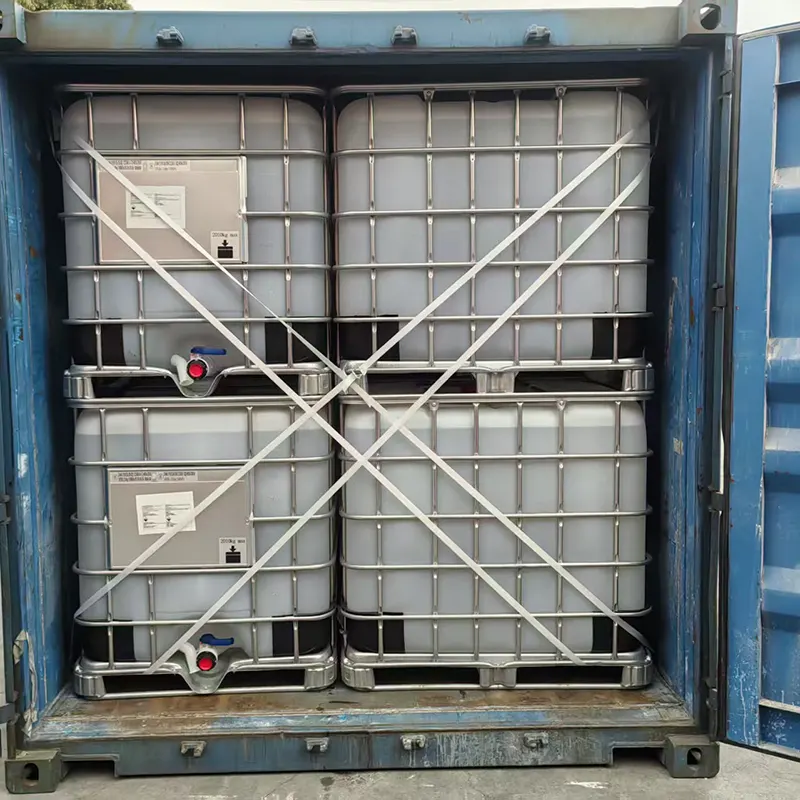
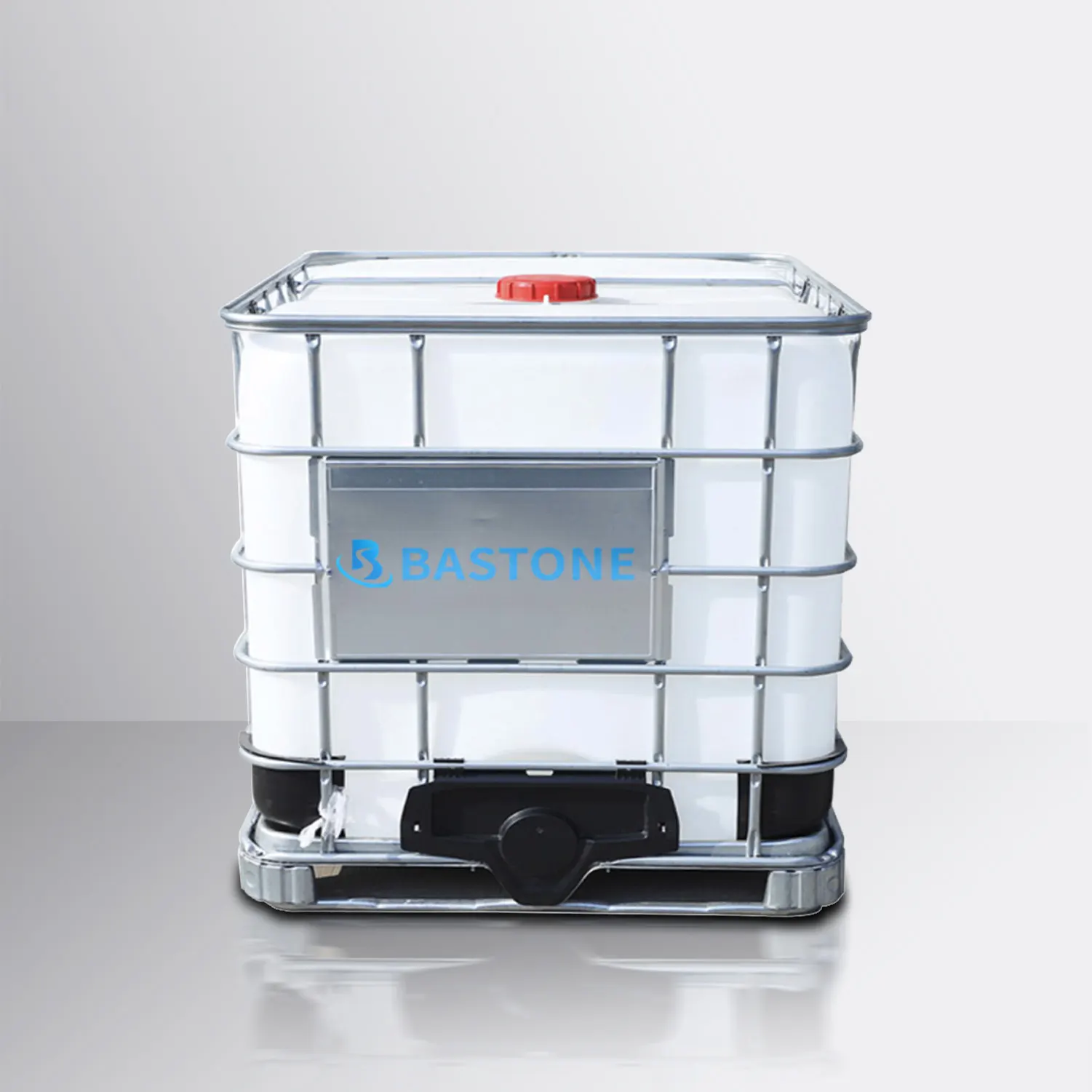
| Standard packaging | 1000kg IBC |
Propiedades Técnicas
| Ítem | Typical value |
|---|---|
| Color [Pt-Co] | ≤15 |
| Agua | ≤0.1 wt.% |
| Density at 20°C | 1.1155–1.1176 g/cm³ |
| Distillation range | 242–250 °C |
| MEG content | ≤0.15 wt.% |
| TEG content | ≤0.40 wt.% |
| Iron (as Fe) | ≤0.0001 wt.% |
| Acidity (as acetic acid) | ≤0.01 wt.% |
Condiciones de Almacenamiento
| Parámetro | Requisito |
|---|---|
| Environment | Cool, dry, ventilated |
| Container handling | Keep sealed — DEG is hygroscopic and will pick up atmospheric moisture |
Specification values are drawn from the manufacturer data sheet. Values are a guide, not a warranty, and are subject to change. Contact BASTONE for the current specification against a specific lot.
Aplicaciones
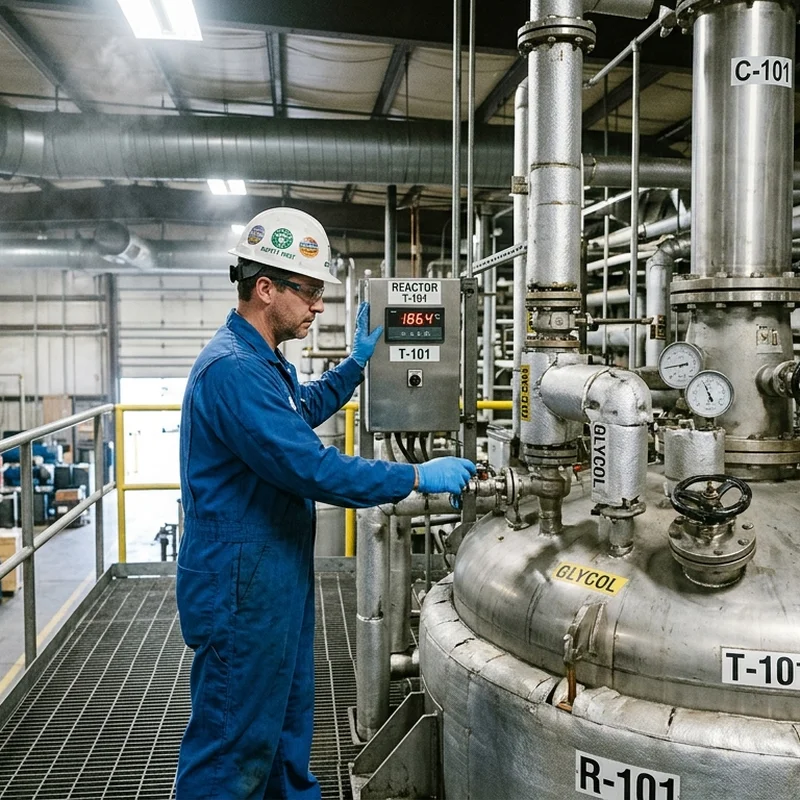
Unsaturated polyester resins absorb the largest share of DEG volume. Formulators use DEG alongside propylene glycol to build flexibility into the polyester backbone — the extra ether oxygen in the chain lowers Tg and improves impact resistance in laminates, gel coats, and cast products. The ≤0.0001 wt.% iron ceiling matters here because esterification runs at 200°C and above, where trace metals drive color formation that no amount of downstream correction fully removes.
Polyurethanes take DEG as a short-chain diol and chain extender. Its two primary hydroxyls react predictably with isocyanate, and the low water spec keeps the NCO index calculation honest. In rigid foam and CASE systems, DEG contributes hard-segment content and raises crosslink density where a higher-functionality polyol would overshoot.
Plasticizers and ester intermediates rely on DEG as the alcohol side of the esterification. Diethylene glycol dibenzoate and related esters serve adhesive and vinyl flooring formulations. DEG also feeds ester production for emulsifiers and demulsifiers used in oilfield and process applications — a category where BASTONE's drilling chemical portfolio often shares the same customer base.
Petroleum refining uses DEG as the selective solvent in aromatics extraction (the Udex process family), pulling benzene, toluene, and xylene from reformate. Solvent purity governs selectivity, and the acidity limit is what protects the extraction column and downstream equipment from corrosion over long service runs.
Textile processing takes DEG as a lubricant and as a solvent in dyeing and printing, where its high boiling point and water miscibility both matter. The same hygroscopic behavior makes it a humectant and plasticizer for paper, cork, and synthetic sponges. DEG also appears in hydraulic fluid formulations and as a solvent in printing inks, where the 242–250°C distillation range keeps evaporation loss low during press runs.
Por qué abastecerse a través de BASTONE
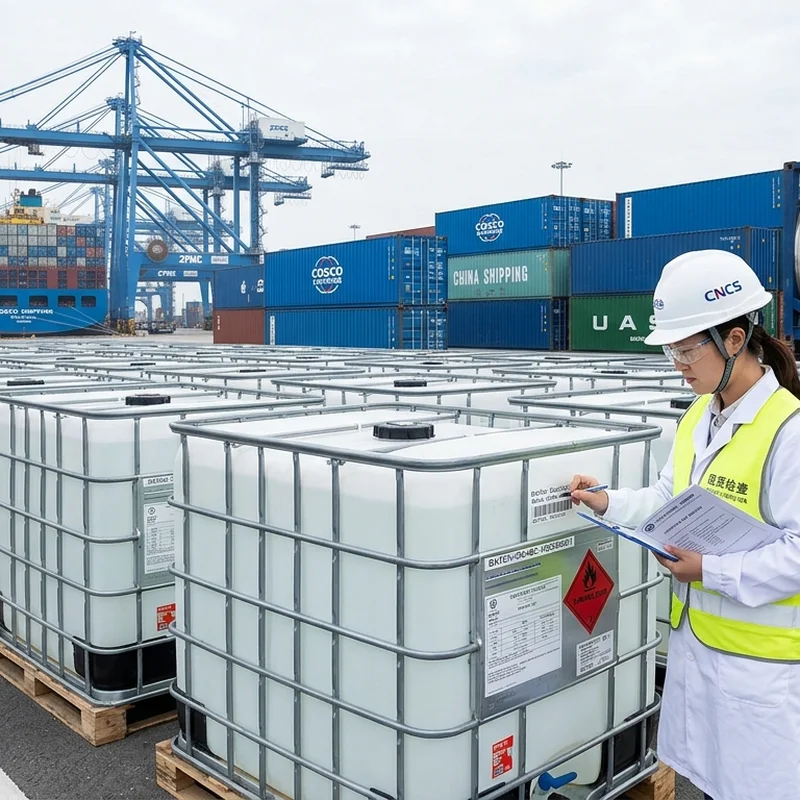
Listed SINOPEC distributor status means BASTONE draws DEG from producer allocation rather than buying it on the spot market and marking it up. Buyers see the difference in two places: pricing that reflects direct producer terms, and supply continuity that does not evaporate when the spot market tightens. Every drum, IBC, or tank lot ships with a COA carrying the production batch number, so a procurement team can trace a specification back to the plant that made it.
The DEG contamination incidents in pharmaceutical excipients since 2022 have changed how buyers evaluate glycol suppliers. Industrial-grade DEG is not a pharmaceutical excipient and should never enter oral formulations — but the episode raised the bar on documentation everywhere. BASTONE supplies batch-level COAs and can coordinate third-party inspection at the port of loading where a buyer's QA protocol calls for it.
BASTONE Petrochem sits inside an R&D-oriented chemical group operating four production sites and one R&D center. Technical staff can work through grade selection, compatibility questions, and specification comparison against your incumbent supply. Export runs through Zhejiang Bastone Technology Co., Ltd, with more than ten years of documentation and logistics experience behind it — flexible on trade terms, packaging format, and shipping arrangement.
Abastecimiento y Logística
| Ítem | Detalle |
|---|---|
| Supply origin | SINOPEC and top-3 Chinese petrochemical producers |
| Empaque |
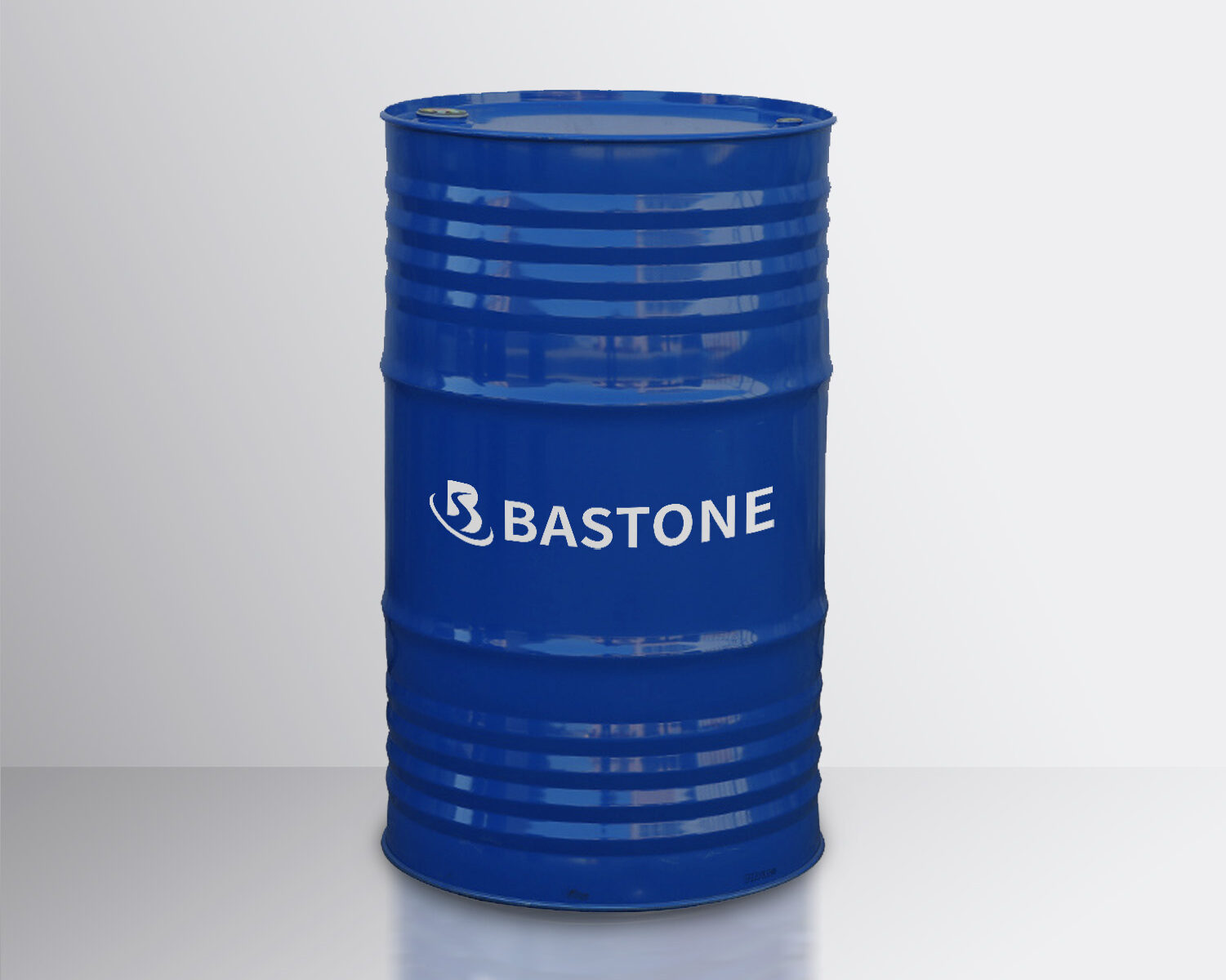
1000kg/IBC, flexi bag, ISOTANK |
| Export entity | Zhejiang Bastone Technology Co., Ltd |
| Documentación |
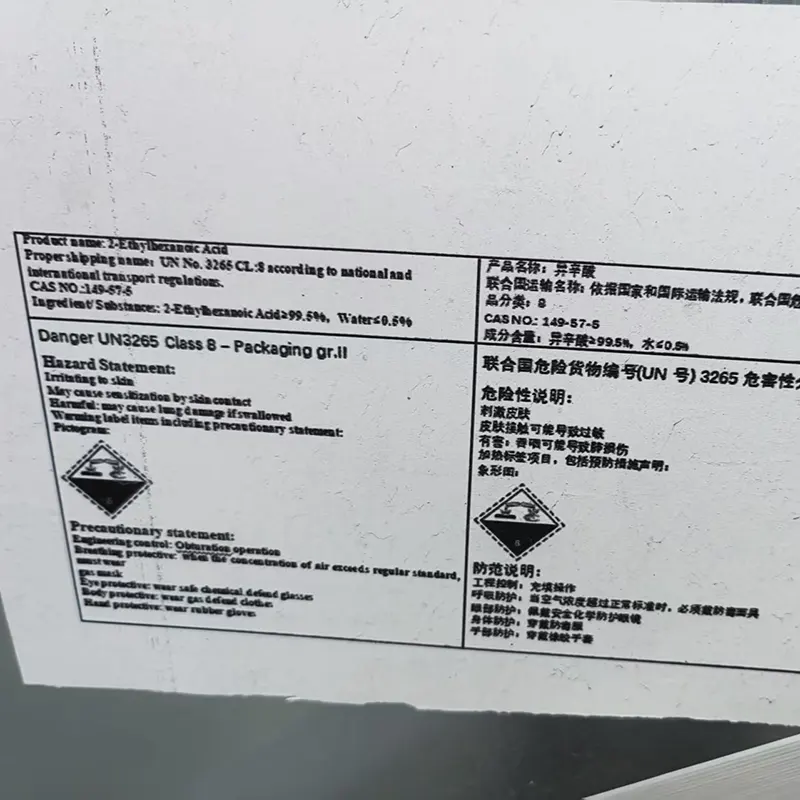
Batch-traceable COA, MSDS, certificate of origin, packing list, commercial invoice; third-party inspection on request |
| Trade terms | FOB, CIF, CFR — China main ports |
| Sample availability | Available on request for specification verification |
| Storage | Cool, dry, ventilated; keep containers sealed |
Contact BASTONE Petrochem for current pricing, lead time against your target port, and a sample for incoming-QC verification.