Завод и мероприятия



Спецификации
Общая информация
| Параметр | Подробно |
|---|---|
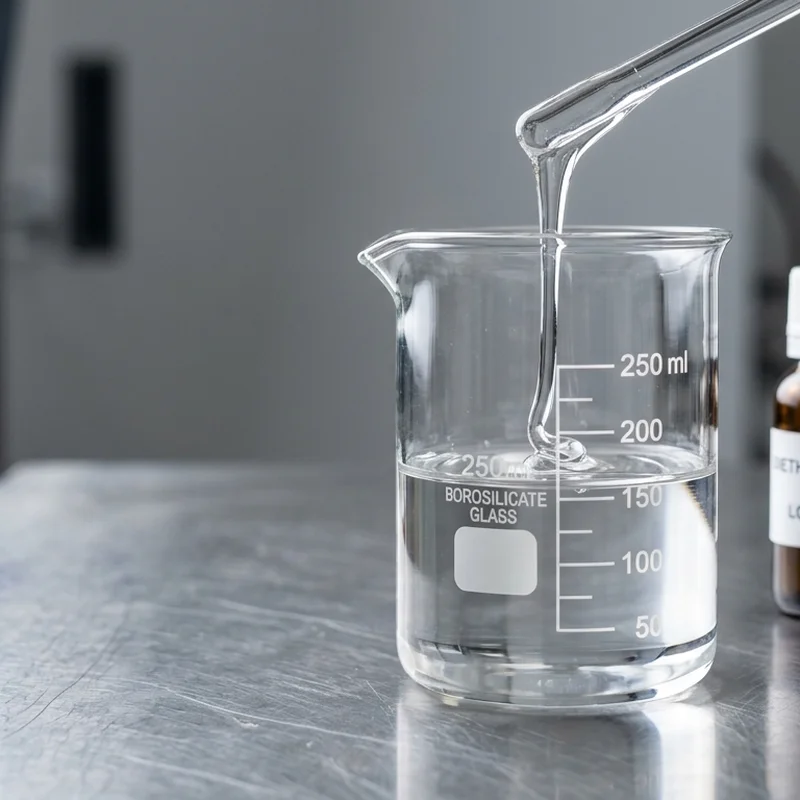
| Наименование продукта | Диэтиленгликоль (DEG) |
| Химическое семейство | Гликоль / алифатический диол |
| Номер CAS | 111-46-6 |
| Производитель | SINOPEC и другие три крупнейших китайских производителя химической продукции |
| Процесс производства | Гидратация этиленоксида, фракционирование гликолей вакуумной дистилляцией |
| Внешний вид | Прозрачная жидкость, ≤15 Pt-Co |
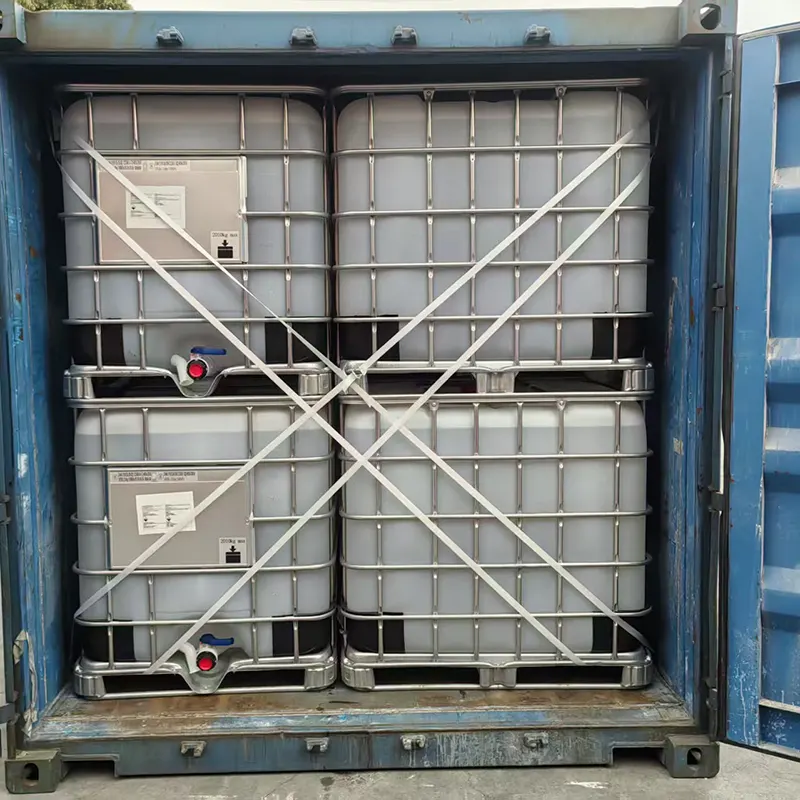
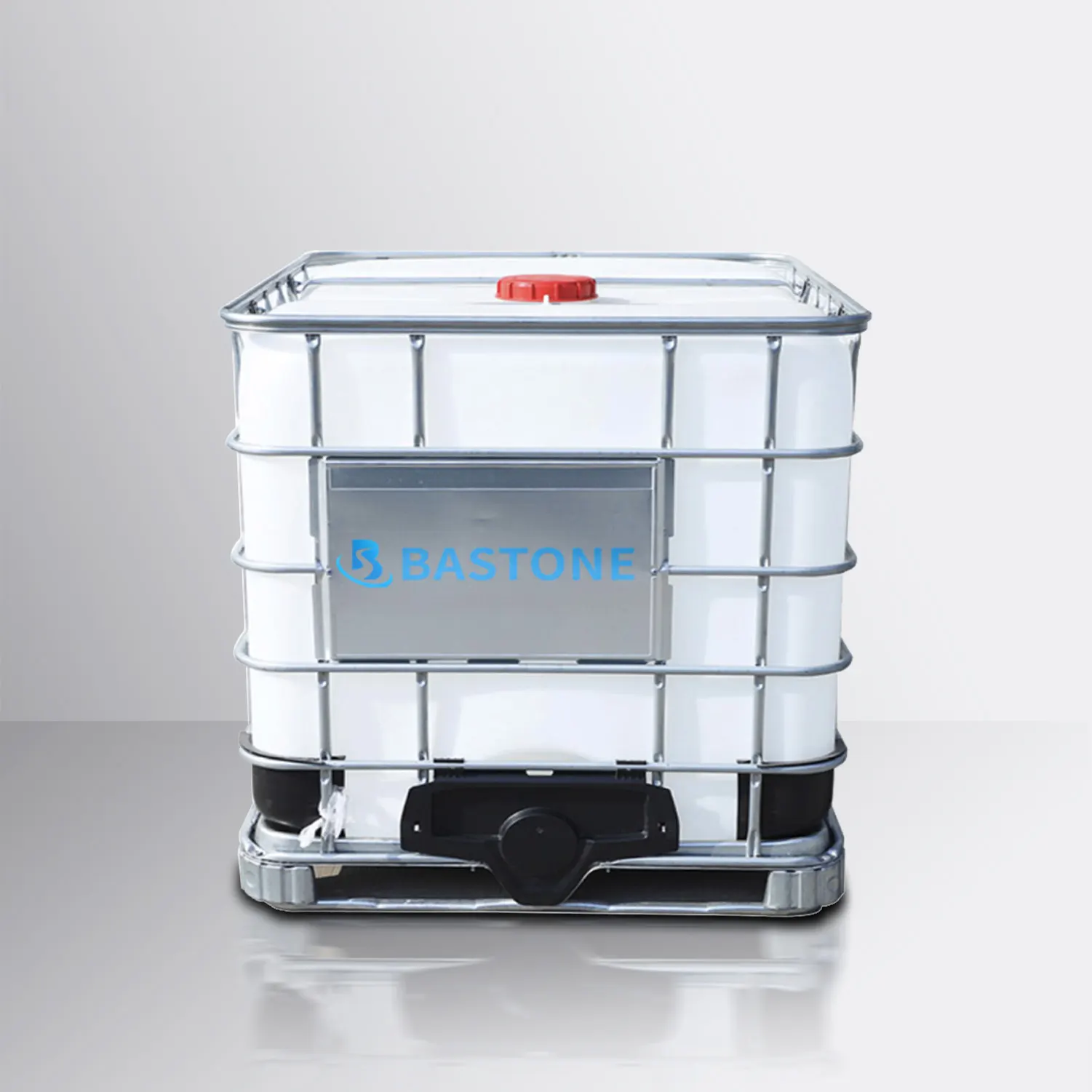
| Стандартная упаковка | IBC на 1000 кг |
Технические свойства
| Параметр | Типичное значение |
|---|---|
| Цвет [Pt-Co] | ≤15 |
| Вода | ≤0,1 мас.% |
| Плотность при 20°C | 1,1155–1,1176 г/см³ |
| Диапазон перегонки | 242–250 °C |
| Содержание МЭГ | ≤0,15 мас.% |
| Содержание ТЭГ | ≤0,40 мас.% |
| Железо (в пересчёте на Fe) | ≤0,0001 мас.% |
| Кислотность (в пересчёте на уксусную кислоту) | ≤0,01 мас.% |
Условия хранения
| Параметр | Требование |
|---|---|
| Условия хранения | Прохладное, сухое, вентилируемое |
| Обращение с контейнером | Держать закрытым — DEG гигроскопичен и будет поглощать влагу из воздуха |
Значения спецификаций взяты из паспорта производителя. Значения являются ориентировочными, не гарантией и могут быть изменены. Свяжитесь с BASTONE для получения актуальной спецификации по конкретной партии.
Применения
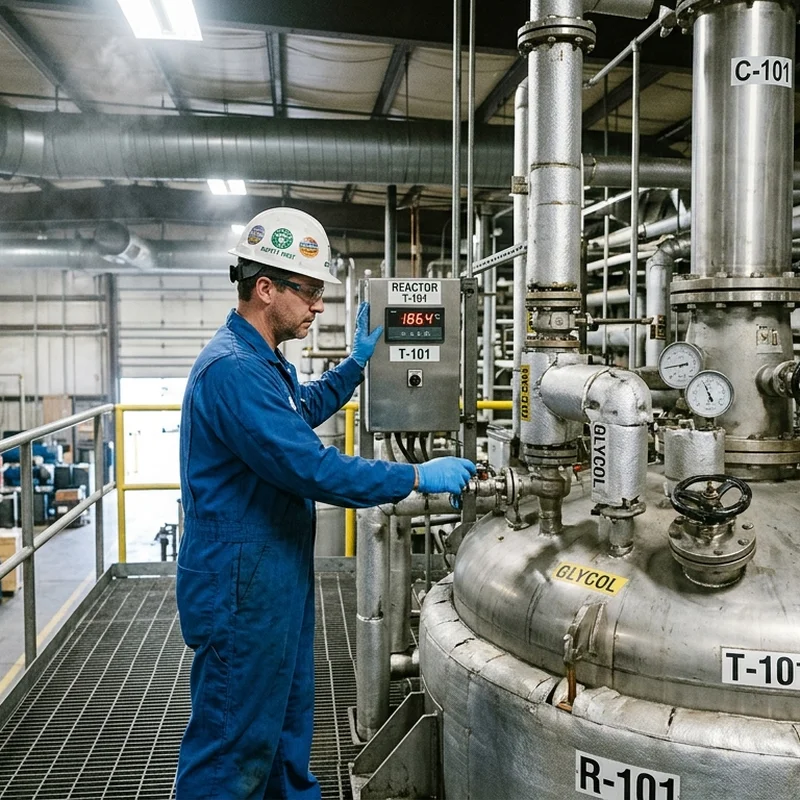
Ненасыщенные полиэфирные смолы поглощают наибольшую долю объёма DEG. Технологи используют DEG вместе с пропиленгликолем для придания гибкости полиэфирному каркасу — дополнительный эфирный кислород в цепи снижает Tg и улучшает ударопрочность в ламинатах, гелькоутах и литых изделиях. Предел по железу ≤0,0001 мас.% важен здесь, поскольку этерификация проходит при 200°C и выше, где следовые металлы вызывают образование цвета, которое невозможно полностью устранить последующей коррекцией.
Полиуретаны используют DEG как короткоцепочечный диол и удлинитель цепи. Его две первичные гидроксильные группы предсказуемо реагируют с изоцианатом, а низкое содержание воды обеспечивает точность расчёта NCO-индекса. В жёстких пенопластах и системах CASE DEG вносит вклад в содержание жёстких сегментов и повышает плотность сшивки там, где полиол с более высокой функциональностью дал бы превышение.
Пластификаторы и сложноэфирные промежуточные продукты используют DEG как спиртовую сторону этерификации. Диэтиленгликольдибензоат и родственные сложные эфиры применяются в составах клеёв и виниловых напольных покрытий. DEG также используется в производстве сложных эфиров для эмульгаторов и деэмульгаторов в нефтепромысловых и технологических применениях — категория, где портфель буровых химикатов BASTONE часто пересекается с той же клиентской базой.
Нефтепереработка использует DEG как селективный растворитель в экстракции ароматических углеводородов (семейство процессов Udex), извлекая бензол, толуол и ксилол из риформата. Чистота растворителя определяет селективность, а предел кислотности защищает экстракционную колонну и downstream-оборудование от коррозии при длительной эксплуатации.
Текстильная обработка использует DEG как смазку и растворитель в крашении и печати, где важны и высокая температура кипения, и смешиваемость с водой. Та же гигроскопичность делает его увлажнителем и пластификатором для бумаги, пробки и синтетических губок. DEG также присутствует в составах гидравлических жидкостей и как растворитель в печатных красках, где диапазон перегонки 242–250°C обеспечивает низкие потери на испарение при печати.
Почему стоит выбирать BASTONE
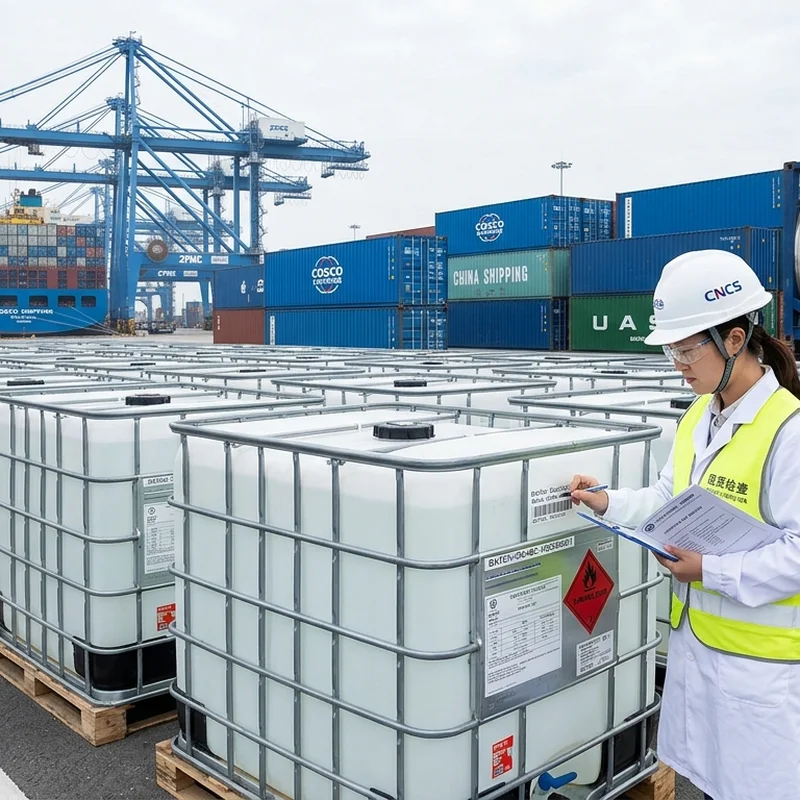
Статус официального дистрибьютора SINOPEC означает, что BASTONE получает ДЭГ по квоте производителя, а не покупает его на спотовом рынке с наценкой. Покупатели видят разницу в двух аспектах: ценообразовании, отражающем прямые условия производителя, и стабильности поставок, которые не исчезают при ужесточении спотового рынка. Каждая бочка, IBC-контейнер или партия в танк-контейнере поставляется с сертификатом анализа (COA), содержащим номер производственной партии, что позволяет отделу закупок проследить спецификацию до завода-изготовителя.
Инциденты с загрязнением ДЭГ в фармацевтических вспомогательных веществах с 2022 года изменили подход покупателей к оценке поставщиков гликолей. Промышленный ДЭГ не является фармацевтическим вспомогательным веществом и никогда не должен попадать в пероральные составы — однако этот случай повысил требования к документации повсеместно. BASTONE поставляет сертификаты анализа на уровне партии и может организовать независимую инспекцию в порту отгрузки, если это предусмотрено протоколом контроля качества покупателя.
BASTONE Petrochem входит в научно-исследовательскую химическую группу, которая управляет четырьмя производственными площадками и одним научно-исследовательским центром. Технические специалисты могут помочь с выбором марки, вопросами совместимости и сравнением спецификаций с вашим текущим поставщиком. Экспорт осуществляется через Zhejiang Bastone Technology Co., Ltd, имеющую более десяти лет опыта в документации и логистике — гибкость в коммерческих условиях, формате упаковки и схемах отгрузки.
Снабжение и логистика
| Параметр | Подробно |
|---|---|
| Происхождение поставки | SINOPEC и ведущие китайские производители petrochemикалов |
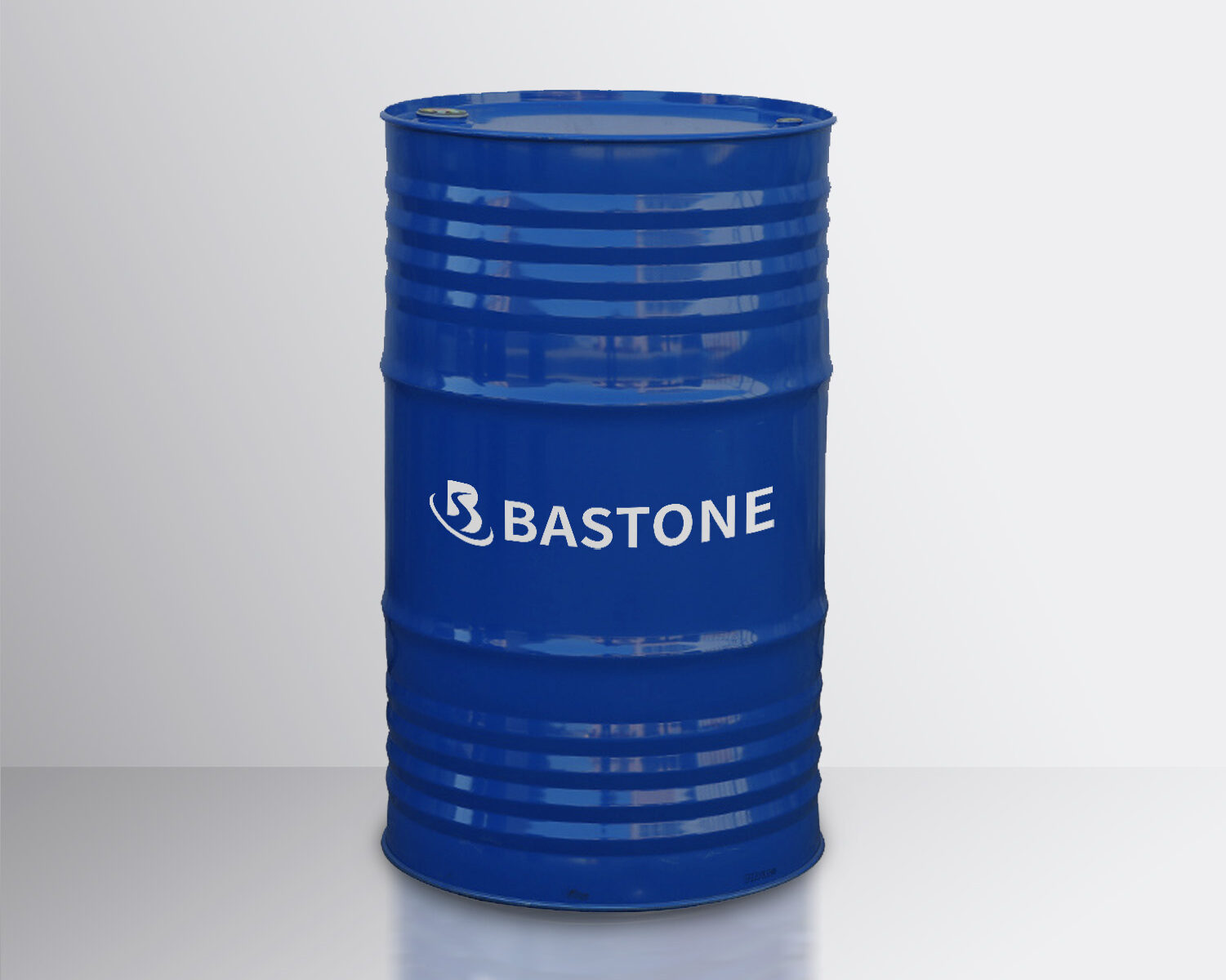
| Упаковка | 1000 кг/IBC, мягкие контейнеры (flexi bag), ИЗОТАНК |
| Экспортная организация | Zhejiang Bastone Technology Co., Ltd |
| Документация | COA с прослеживаемостью партии, MSDS, сертификат происхождения, упаковочный лист, коммерческий инвойс; независимая инспекция по запросу |
| Условия поставки | FOB, CIF, CFR — основные порты Китая |
| Доступность образцов | Доступно по запросу для проверки спецификаций |
| Хранение | Прохладное, сухое, вентилируемое помещение; держать контейнеры герметично закрытыми |
Свяжитесь с BASTONE Petrochem для получения актуальных цен, сроков поставки до вашего целевого порта и образца для проверки входного контроля качества.