

Четыре организации публикуют смолу с кодом LL0209AA. В их собственных технических паспортах указан индекс расплава 0,9 или 1,0, плотность измеряется по ISO 1183, ASTM D2839 или GB/T 1033, а свойства плёнки приводятся при 38 микронах или 0,030 мм.
Этот разрыв находится выше любого решения о замене. Спецификация на закупку с указанием “LL0209AA” не фиксирует число, поэтому первая задача — выяснить, из колонки какого производителя была скопирована ваша собственная спецификация.
Списки эквивалентности, циркулирующие для этой марки, перечисляют пять кодов и не привязывают индекс расплава ни к одному из них. Индекс расплава и плотность — единственные два показателя, которые вообще переживают сравнение между разными источниками, и даже они измерены по трём разным семействам стандартов.
Какой LL0209AA описывает ваша спецификация?
Четыре отдельные организации публикуют плёночную марку LLDPE под кодом LL0209AA с прикреплёнными ключевыми показателями, и эти показатели не совпадают.
| Публикующая организация | Индекс расплава (г/10 мин) | Плотность (г/см³) | Метод определения плотности |
|---|---|---|---|
| Иранская нефтехимическая коммерческая компания (Амир Кабир, Шазанд, Тебриз) | 0.9 | 0.920 | ISO 1183 |
| Нефтехимический завод Арак (Шазанд) | 0.9 | 0.920 | ASTM D2839 |
| Lotte Chemical Titan (Малайзия, Индонезия) | 1.0 | 0.920 | не указан |
| PetroChina Dushanzi → PetroChina Dushanzi | 1.0 | 0.920 | GB/T 1033-86 |
Эти два метода определения плотности не являются взаимозаменяемыми обозначениями одного измерения. ASTM D2839 определяет плотность по экструдированному жгуту для индекса расплава, тогда как ISO 1183 использует отожжённый образец.
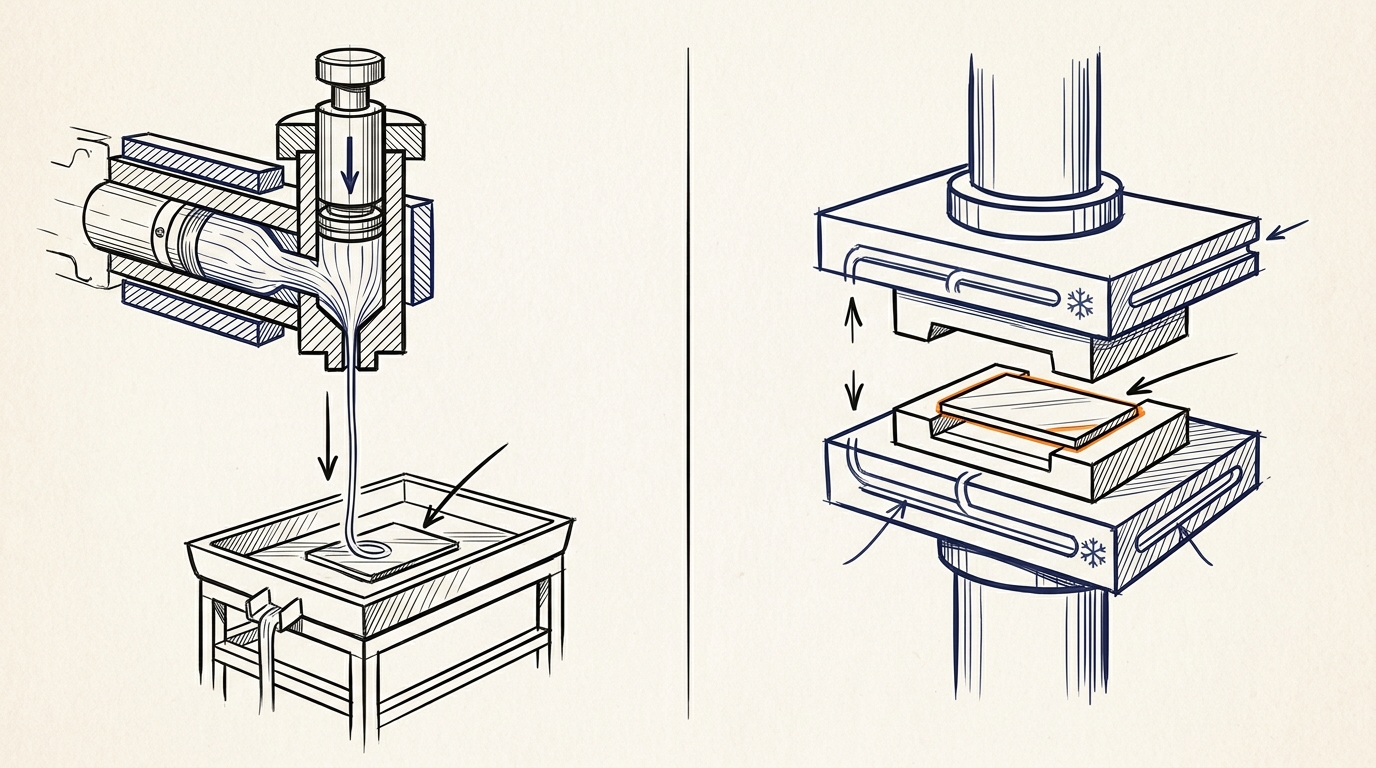
Различие Версия PetroChina Dushanzi работает на газофазной технологии с псевдоожиженным слоем BP с сомономером 1-бутен.
Shanghai SECCO также публикует бутеновый LL0209AA, описанный для выдувной плёнки, мешков повышенной прочности, вкладышей и стретч-плёнки. Его индекс расплава — другой вопрос: опубликованные показатели расходятся, и ни один документ производителя не подтверждает ни один из них, поэтому указанное число SECCO остаётся неподтверждённым, пока не будет получен технический паспорт.
Ни одна из этих четырёх колонок не является ошибочной. Это четыре документа с одним кодом, и только один из них — та базовая линия, от которой вы отталкиваетесь при замене.
Какие марки попадают в диапазон индекса расплава и плотности LL0209AA
LL 0209SR и LL 0209SC от Lotte Chemical Titan, серия 118 от SABIC и LF1020 и LF1022 от Westlake — все попадают в диапазон индекса расплава и плотности LL0209AA, и их производители публикуют эти показатели.
| Производитель (документ) | Марка | Индекс расплава (г/10 мин) | Плотность (г/см³) | Сомономер |
|---|---|---|---|---|
| Lotte Chemical Titan (текущий справочник продукции) | LL 0209SR, LL 0209SC | 1.0 | 0.920 | не указано |
| SABIC (каталог 2023 года) | 118NJ, 118ZJ, 118LJ, 118WJ | 1.0 | 0.918 | не указано |
| Westlake (справочник сентября 2022 года) | LF1020 | 1.1 | 0.919 | бутен |
| Westlake (справочник сентября 2022 года) | LF1022 | 1.1 | 0.918 | бутен |
Коды, обычно распространяемые как эквиваленты LL0209AA, — это другое дело. SABIC 926NT, 726QE, 726NE и 6821MJ, а также QAPCO Q2018C появляются на торговых страницах без указания индекса расплава или плотности для любого из них.
Ни один из этих четырёх кодов SABIC не фигурирует в опубликованном каталоге полимеров SABIC за 2023 год. Они могут быть устаревшими или региональными обозначениями, а не снятыми с производства продуктами.
Ближайший код LLDPE, который есть в этом каталоге, — 6821NJ с индексом расплава 0,8 и плотностью 0,921. Это гексеновый сополимер, тогда как LL0209AA — бутеновый, что ставит его ниже диапазона по индексу расплава и по другую сторону вопроса о сомономере.
Разброс в 0,1 г/10 мин сам по себе не является дисквалифицирующим фактором. Для плёночной марки с дробным индексом расплава это примерно 11 %, что находится в пределах межпартийного диапазона, указанного в большинстве сертификатов качества, и спецификация, записанная как 0,9 ± 0,15, принимает любую версию кода.
Пара Westlake находится ещё на одну ступень дальше — на 1,1. Если в сертификате качества индекс расплава находится на границе вашей спецификации, запросите данные о молекулярно-массовом распределении, прежде чем принимать партию.
Разделяет ли заменитель сомономер LL0209AA?
LL0209AA — это бутеновый сополимер во всех документах производителей, где указан сомономер, и бутен — первое, что теряет кандидат, который выглядит близким.
Индекс расплава и плотность — это то, что большинство покупателей проверяют в первую очередь, и выбор марки LLDPE по этим двум показателям сужает поле, но не закрывает его. Тип сомономера невидим в обоих.
Westlake направляет все марки плёнок повышенной прочности в своём ассортименте на гексен, оставляя бутен для мусорных мешков, пакетов для хранения продуктов и стретч-плёнки.
Два внутренних кандидата разделяются таким же образом. DFDA-7042 происходит с газофазной установки с псевдоожиженным слоем UCC на заводе PetroChina Lanzhou с 1-бутеном и титановым катализатором, что соответствует химии LL0209AA. EZP2010HA — это гексен-1 металлоценовая марка с линии Unipol в Душанзи.
Сопоставьте сомономер, прежде чем сопоставлять что-либо ещё. Гексеновая марка, находящаяся на двух показателях LL0209AA, — это другая плёнка, а не более близкая.
Где эквиваленты LL0209AA расходятся по скольжению и антиблоку
Три независимых производителя продают по несколько различных марок с одним идентичным индексом расплава и плотностью, различающихся только пакетом скольжения и антиблока.
- Нефтехимический завод Арак публикует LL0209AA и LL0209KJ в одном техническом паспорте с индексом расплава 0,9 и плотностью 0,920, все показатели совпадают. Разделяет их только описание: LL0209KJ “предлагает плёнку с высоким скольжением и лёгким открыванием” в диапазоне от 35 до 100 микрон.
- Lotte Chemical Titan направляет LL 0209AA на плёнку для мешков повышенной прочности, LL 0209SR — на розничные и хозяйственные сумки, а LL 0209SC — на упаковку с высокой прозрачностью, всё при одной паре показателей.
- Каталог SABIC за 2023 год перечисляет 118NJ, 118ZJ, 118LJ и 118WJ от “Без скольжения и антиблока” через “Среднее скольжение и средний антиблок” до “Высокое скольжение и высокий антиблок”, не перемещая ни одну из цифр.
Ни один из трех не заявляет это как правило где-либо. Эта условность вытекает из того, как каждый из них присваивает коды сортов.
Ни один технический паспорт в этом наборе не указывает загрузку скольжения или антиблока. Они говорят “высокое скольжение” или “без скольжения”, а Arak добавляет, что маточная смесь, пигмент или изменение толщины в любом случае сдвинут поведение пленки по скольжению и антиблоку.
На бумаге они выглядят одинаково. Я все же проверяю второй источник на реальной производственной партии, прежде чем переходить на двойное снабжение, и пакет скольжения обычно является тем, что выявляет испытание.
Что запросить перед принятием заменителя LL0209AA
Метод испытания, толщина пленки, пакет скольжения и антиблока, а также производственное испытание должны быть в списке запроса до принятия партии-заменителя.
Arak Petrochemical заявляет об этом в своем собственном техническом паспорте: “Приведенные значения являются средними и не должны рассматриваться как спецификации продукта”.”
- Метод испытания, взятый из COA, а не из маркетингового листа. ISO 1133, ASTM D1238 и GB/T 3682 — все дают число, называемое индексом расплава. Подтвердите, какой из них дал цифру для партии, которую вам предлагают.
- Толщина пленки, стоящая за каждым свойством пленки. PetroChina Dushanzi указывает ударную прочность падающим грузом 80 г на пленке 0,030 мм, Arak — 150 г при 38 микронах. Более толстая пленка поглощает больше энергии дротика, так что это два испытания, а не рейтинг.
- Пакет добавок, который фактически несет партия. Включите собственную формулировку производителя по скольжению и антиблоку в заказ на поставку, а не только в запрос.
- Пробный прогон до одобрения второго источника. Две смолы могут иметь очень разные молекулярно-весовые распределения при одном индексе расплава, и стандартный тест при 190 °C / 2,16 кг не учитывает ни это, ни длинноцепное разветвление.
Роберт Нарк и Карен Сяо из Celgard называют последствие. Смешайте LLDPE с индексом расплава 1 с смолой с индексом расплава 5, и смола с более низкой вязкостью “заключит в оболочку смолу с более высокой вязкостью”, если шнек не был спроектирован для этого.
Ни мЛЛДПЭ EZP2010HA ни DFDA-7042 не печатают индекс расплава или плотность на своей странице продукта, и оба откладывают полный технический паспорт по запросу. Получите эти данные COA, проверьте их по своей собственной колонке LL0209AA и только затем переходите ко второму источнику.
Где большинство ошибок при замене
Ошибка в том, чтобы искать код вместо спецификации. Перепишите свою собственную спецификацию закупки в виде чисел, прежде чем искать: индекс расплава со стандартом, который его дал, плотность со стандартом, который ее дал, сомономер и класс добавок.
Как только спецификация будет читаться так, вопрос эквивалентности в основном решается сам. Циркулирующие списки кодов перестают быть коротким списком и становятся утверждениями, которые вы можете проверить за полдня по четырем техническим паспортам производителей.
Затем задокументируйте решение о замене сорта в письменной форме. Через шесть месяцев никто не помнит, кто что одобрил, и единственное, что выживает, — это колонка, по которой вы написали спецификацию.